
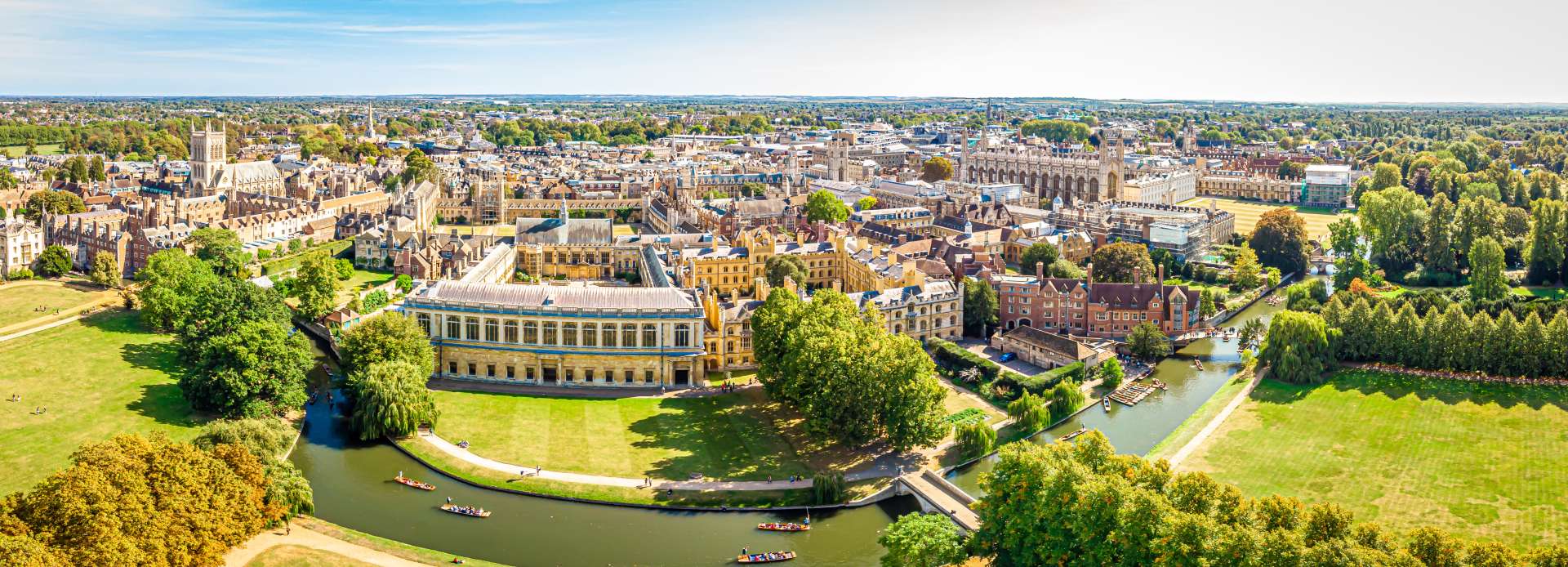
Syon House — A Grand Stately Home by the Thames
Explore a Tudor Palace Transformed by Robert Adam and Set in Landscape Splendour The Estate Office, Syon House & Park, Brentford, Middlesex TW8 8JF
Call us anytime 020 8560 0882
https://syonpark.co.uk
Open Sun-Tue 10:30 am–3:30 pm.
info@syonpark.co.uk
Specification
Where Tudor Power Meets Neoclassical Grace
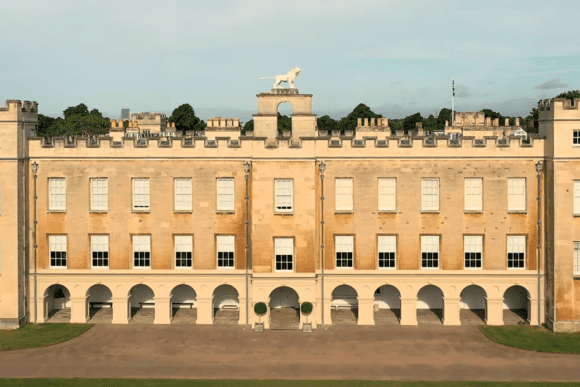
Standing on the north bank of the River Thames, Syon House has been home to the Dukes of Northumberland for over 400 years.
Once a Tudor abbey, later transformed into a grand neoclassical mansion, it remains one of England’s finest stately homes.
Today, its magnificent interiors and landscaped parkland invite visitors to step through centuries of art, architecture, and aristocratic life.
A Tudor Abbey Reimagined
Originally founded in 1431 as Syon Abbey, the site became a royal possession after Henry VIII’s Dissolution of the Monasteries.
In 1547, Edward Seymour, Duke of Somerset, built the core of the current house, a fine example of Tudor domestic architecture.
Two centuries later, Hugh Percy, 1st Duke of Northumberland, commissioned architect Robert Adam to transform the interior.
Therefore, Syon became a masterpiece of 18th-century neoclassical design, blending ancient grandeur with Enlightenment elegance.
Exploring Syon House
1. The Great Hall and State Rooms
Entering the Great Hall, visitors are met with Adam’s dramatic symmetry — black-and-white marble floors, towering columns, and classical statues.
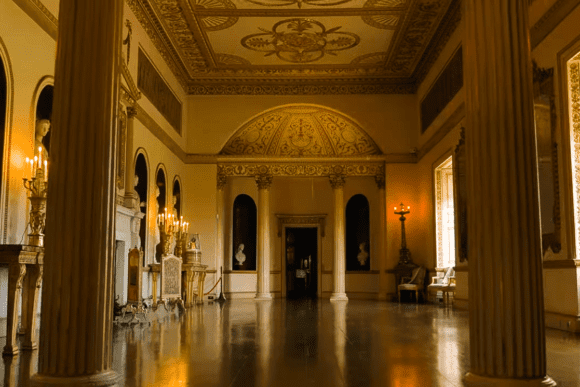
Each state room is a work of art, from the gilded Long Gallery to the Ante Room, inspired by ancient Rome.
In addition, ceiling paintings by Antonio Zucchi and intricate stucco work give each room a sense of harmony and grandeur.
2. The Robert Adam Design
Robert Adam’s interiors at Syon House are considered among his greatest achievements.
He used classical geometry, pastel tones, and architectural illusion to balance splendour with proportion.
The result is a sequence of rooms designed to impress, educate, and inspire — embodying the ideals of the Enlightenment.
3. The Gardens and Great Conservatory
Outside, the 200-acre parkland was landscaped by Lancelot “Capability” Brown in the 1750s.
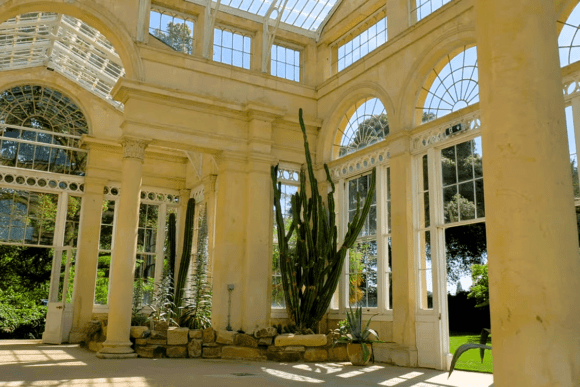
Sweeping lawns, lakes, and groves frame the house beautifully, while the Great Conservatory, added in the 1820s, stands as one of England’s earliest iron-and-glass buildings.
In addition, the estate’s location beside Syon Park Garden Centre and Hilton London Syon Park makes it an ideal heritage day out.
Learn more at the Syon Park official website
A Living Legacy
Syon House remains both a family home and a cultural landmark.
It has hosted monarchs, artists, and statesmen, while serving as a film location for productions such as Gosford Park, Belle, and The Madness of King George.
Furthermore, its blend of Tudor history, Georgian refinement, and riverside beauty makes it one of London’s most complete heritage experiences.
Visiting Syon House
How to Get There
Address: Syon Park, Brentford, Middlesex TW8 8JF
By Train: Syon Lane (South Western Railway) — 10-minute walk.
By Tube: Gunnersbury or Osterley Stations nearby.
By Bus: Routes 237, 267, and H91 stop close to the park.
By Car: Free parking available on-site.
Opening Hours & Admission
Open Wednesday–Sunday (March–October), 10:30am–5pm. Entry tickets required for house and gardens.
Facilities
Café and gift shop
Step-free access to gardens and ground floor
Family trails and picnic areas
Venue hire and events
Nearby Attractions
Kew Gardens: UNESCO World Heritage Site across the Thames.
Osterley Park and House: Another grand Robert Adam design.
Richmond Park: Royal parkland and deer herds.
Marble Hill House: Elegant Palladian villa nearby.
Together, they form the West London Heritage and Gardens Trail.
Why Visit Syon House?
The Syon House experience unites history, architecture, and landscape in one magnificent setting.
It’s a place where Tudor power meets Enlightenment beauty, and every room reveals centuries of craftsmanship.
Whether you come for Adam’s interiors, Capability Brown’s gardens, or the riverside views, Syon offers timeless inspiration.
It’s not just a stately home — it’s a living masterpiece of British heritage.
Amenities
Guided Tours Free Parking Shop Accessible Toilets Toilet Exhibition Food Assistance Dogs Only Blue Badge Bays Garden Accessible Tours Outdoor SeatingThe Estate Office, Syon House & Park, Brentford, Middlesex TW8 8JF
Get DirectionsRecommended
No Reviews