
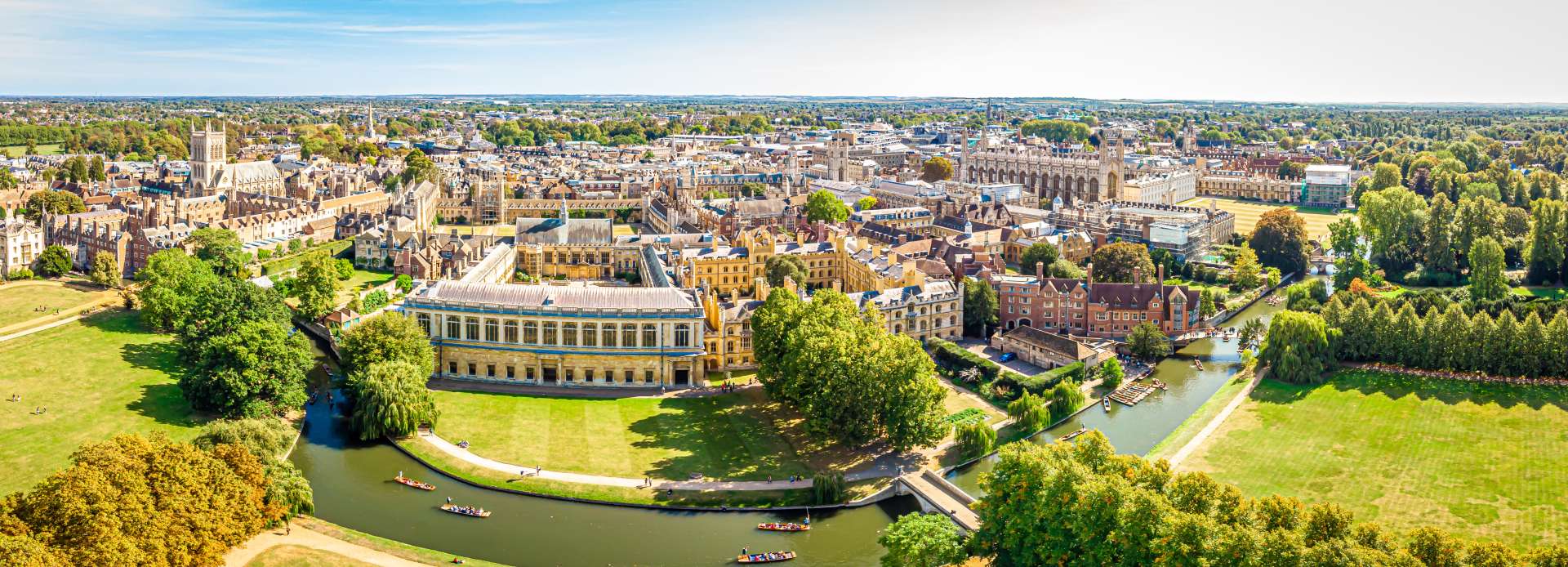
Kew Gardens — A World-Famous Botanical Landscape
Explore exotic plants, glasshouses, and treetop walks at London’s UNESCO-listed Royal Botanic Gardens, Kew. Royal Botanic Gardens, Kew Richmond London TW9 3AE
Specification
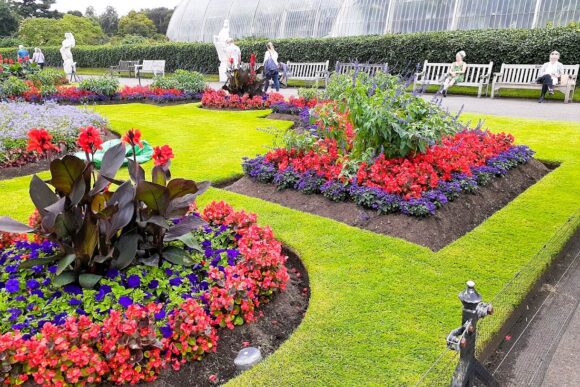
Outdoor SeatingA Global Centre for Plants and Conservation
The Royal Botanic Gardens Kew, commonly known as Kew Gardens, is one of the world’s leading botanical gardens.
Located in southwest London, it spans more than 300 acres and contains plants from across the globe.
Today, Kew combines scientific research, conservation, and public gardens within a UNESCO World Heritage Site.
It’s one of Britain’s most important natural and historic attractions.
A Garden with More Than 250 Years of History
Kew’s origins date back to the 18th century.
Over time, it developed into an internationally recognised centre for botanical study.
Therefore, the gardens contain both historic architecture and world-class plant collections.
Key features include:
Historic glasshouses
Rare and endangered plants
Botanical research facilities
Landscaped gardens
Arboretum collections
UNESCO World Heritage status
In addition, Kew scientists support plant conservation projects around the world.
Exploring Kew Gardens
1. The Palm House
The Palm House is one of Kew’s most famous landmarks.
Built in the 1840s, it houses tropical plants from around the world.
Moreover, its Victorian iron-and-glass design is considered a masterpiece of engineering.
2. The Temperate House
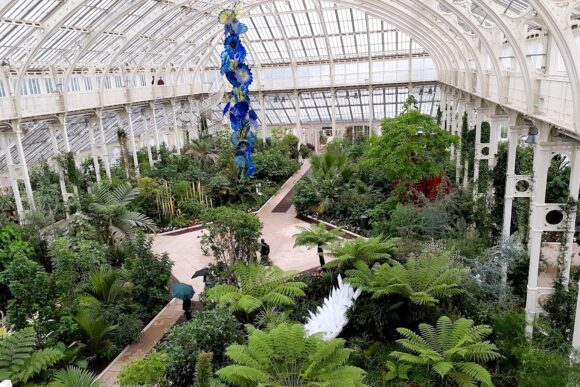
The Temperate House is the largest surviving Victorian glasshouse in the world.
It contains rare and threatened plants from temperate regions.
Furthermore, many species grown here are endangered in the wild.
3. The Treetop Walkway
The Treetop Walkway allows visitors to explore the tree canopy from above.
The elevated route provides views across the gardens and surrounding landscape.
In addition, interpretation panels explain woodland ecology and conservation.
4. The Princess of Wales Conservatory
This modern glasshouse contains plants from different climate zones.
Visitors can explore desert, tropical, and aquatic environments in one building.
Moreover, it showcases the diversity of plant life found across the world.
Education, Conservation, and Research
Kew Gardens isn’t just a place of beauty — it’s a global scientific institution. Its researchers work to protect plant species, combat climate change, and preserve biodiversity worldwide. The Kew Herbarium contains over seven million preserved plant specimens, forming one of the largest collections in existence.
Learn more about their conservation efforts on the official Kew Gardens website
Seasonal Highlights
Each season at Kew brings something new:
Spring: Cherry blossoms, bluebells, and tulips in bloom.
Summer: The Waterlily House and rose gardens at their peak.
Autumn: Fiery foliage across the arboretum.
Winter: Magical illuminations during Christmas at Kew.
No matter when you visit, the gardens are alive with colour and life.
Visiting Kew Gardens
Located in Richmond, southwest London, Kew Gardens is easily accessible by Tube, train, or bus.
Opening hours: Daily, with extended hours in summer.
Tickets: Advance booking recommended, with discounts for families and groups.
Facilities: Cafés, restaurants, gift shops, and accessible pathways throughout the gardens.
Nearby Attractions
Richmond Park — Historic royal park with free-roaming deer
Syon House — Historic house and gardens
Ham House — 17th-century historic house
Richmond Riverside — Thames-side walks and cafés
Together, these attractions form part of the West London Heritage and Gardens Trail.
Why Visit Kew Gardens?
Kew Gardens is where science meets serenity — a living museum of plants, art, and architecture. Whether you’re wandering beneath tropical palms, climbing the Great Pagoda, or relaxing on the lawns, it’s a place that reconnects you with the natural world.
Experience beauty, biodiversity, and discovery — all at the Royal Botanic Gardens, Kew.
No Reviews