
Marble Hill — A Georgian Gem by the River Thames
Explore a Palladian Villa and Landscape Designed for Elegance and Escape Richmond Road, Twickenham, London TW1 2NL
Call us anytime 020 8892 5115
https://www.english-heritage.org.uk/visit/places/marble-hill
Open Wed-Sun 10:00 am – 5:00 pm.

Specification
Outdoor PicnicA Riverside Masterpiece of the Georgian Age
Set among sweeping lawns beside the River Thames, Marble Hill House is one of the most graceful examples of Palladian architecture in Britain.
Built in the 1720s for Henrietta Howard, the Countess of Suffolk and mistress of King George II, it became a haven of art, wit, and refinement.
Today, cared for by English Heritage, it remains a serene escape — a glimpse of Georgian taste and the early ideals of elegant domestic living.
A House Built for Independence
At a time when women rarely owned property, Henrietta Howard built Marble Hill as her own retreat from court life.
Her friends included writers and poets such as Alexander Pope and Jonathan Swift, who helped shape her vision for a house that combined beauty, intellect, and freedom.
Designed by Roger Morris with influence from Richard Boyle, the 3rd Earl of Burlington, the villa followed Palladian principles — symmetry, proportion, and light.
Therefore, Marble Hill became a model for countless Georgian villas across England and even the American colonies.
Exploring Marble Hill
1. The Architecture
The house’s elegant white façade and classical portico reflect perfect Palladian balance.
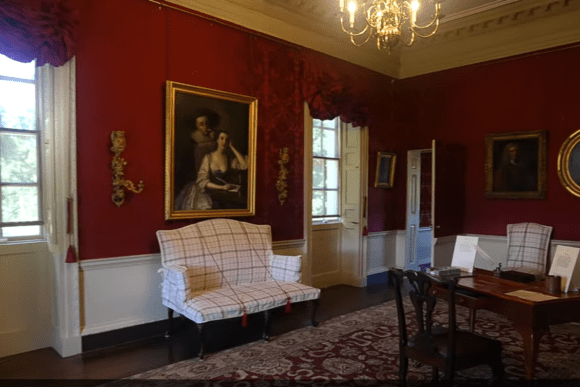
Inside, visitors can explore finely restored rooms with pastel hues, gilded ceilings, and carefully chosen art that recreates the world Henrietta knew.
In addition, the grand staircase and drawing room reveal her taste for simplicity combined with splendour.
2. The Art and Interiors
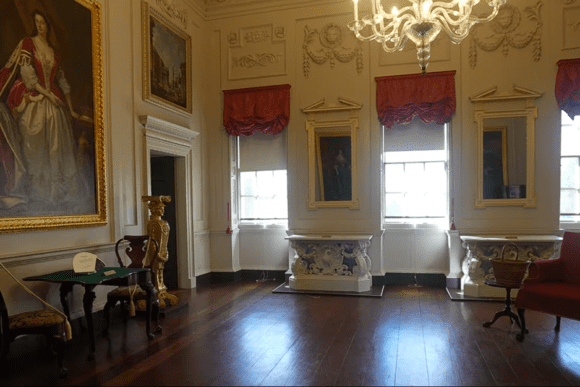
The interiors include 18th-century furniture, portraits, and period objects that tell Henrietta’s story.
Each room captures the atmosphere of Georgian life — a balance of comfort, intellect, and grace.
Highlights include paintings by Allan Ramsay and the beautiful Great Room, used for entertaining poets, courtiers, and friends.
3. The Gardens and Landscape
The Marble Hill Park estate stretches across 66 acres, designed to resemble a natural landscape.
With sweeping lawns, groves of trees, and views of the Thames, it reflects the early English landscape movement that later inspired Capability Brown.
Paths link the house to the river, inviting peaceful walks and picnics under ancient oaks.
Learn more at the English Heritage official website
A Legacy of Taste and Freedom
Henrietta Howard’s story makes Marble Hill more than just an architectural gem.
It represents independence, taste, and a woman’s determination to shape her own life in an era of limitation.
Furthermore, the estate’s survival within modern Twickenham is a testament to centuries of care and restoration.
Today, Marble Hill stands not only as a house of beauty but as a home of ideas.
Visiting Marble Hill
How to Get There
Address: Richmond Road, Twickenham TW1 2NL
By Train: St Margarets or Twickenham Station — 15-minute walk.
By Bus: Routes 33, 490, H22, R68 stop nearby.
By Car: Limited parking on-site; public transport recommended.
Opening Hours & Admission
Open Wednesday–Sunday, 10am–5pm (seasonal). Free entry to house and park.
Facilities
Café and shop
Step-free access to ground floor and gardens
Family trails and events
Dog-friendly parkland
Nearby Attractions
Ham House and Garden: Another grand riverside estate nearby.
Strawberry Hill House: Gothic Revival masterpiece by Horace Walpole.
Richmond Park: Royal parkland ideal for long walks.
Pope’s Grotto: Created by poet Alexander Pope, a friend of Henrietta.
Together, they form the Thames-side Georgian Heritage Trail.
Why Visit Marble Hill?
The Marble Hill House experience offers art, history, and tranquillity in one elegant setting.
It tells the story of a woman who shaped her own world — through architecture, intellect, and charm.
Whether you visit for the interiors, the gardens, or the river views, Marble Hill captures the grace and spirit of Georgian England.
It’s not just a villa — it’s a story of freedom told in stone and sunlight.
No Reviews