
Chesters Roman Fort — Life on Hadrian’s Wall
Explore Britain’s Best-Preserved Cavalry Fort and Its Museum of Roman Treasures Chollerford, Hexham, Northumberland, NE46 4EU
Call us anytime 01434 681379
https://www.english-heritage.org.uk/visit/places/chesters-roman-fort-and-museum-hadrians-wall/
Open Sat - Sun, 10am - 4pm (last entry at 3.30pm)
chester.romanfort@english-heritage.org.uk
Specification
Outdoor PicnicWhere Soldiers Met the Frontier
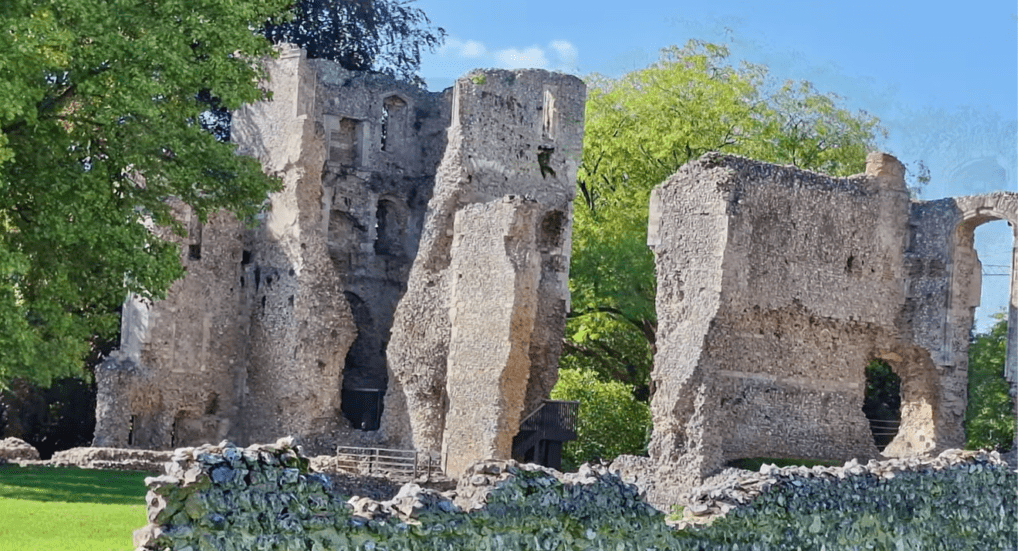
Set above the River Tyne in Northumberland, Chesters Roman Fort (Cilurnum) is one of the best-preserved cavalry forts in the entire Roman Empire.
Built around AD 123, soon after Hadrian’s Wall was begun, it guarded a key river crossing and housed 500 mounted troops from Spain — the Ala II Asturum.
Today, visitors can explore barracks, bathhouses, and a museum showcasing remarkable finds from the site.
It’s one of the few places where Roman military life still feels tangible.
A Frontier Stronghold
Chesters was built to protect one of the Wall’s busiest bridges — the crossing at Chollerford.
The fort was strategically placed to control movement across the Tyne Valley and supply the frontier with men, horses, and goods.
Over the centuries, layers of stone, artefacts, and carvings reveal how the soldiers adapted to Britain’s rugged northern climate.
Therefore, the fort offers a vivid picture of daily life at the empire’s edge.
Exploring Chesters Roman Fort
1. The Fort Remains
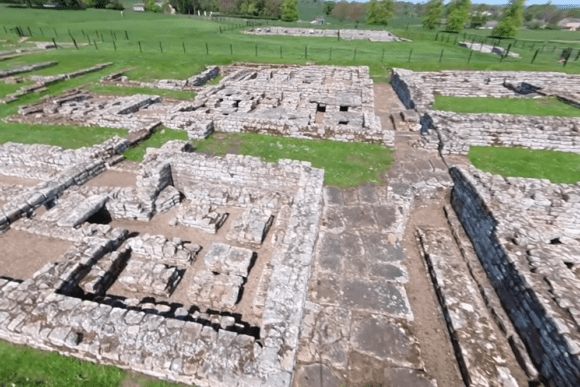
Walk through the headquarters building, commander’s house, and granaries.
The stone outlines show where Roman soldiers ate, trained, and slept.
In addition, the fort’s size and layout reflect its dual role as both military post and self-contained community.
2. The Bathhouse by the River
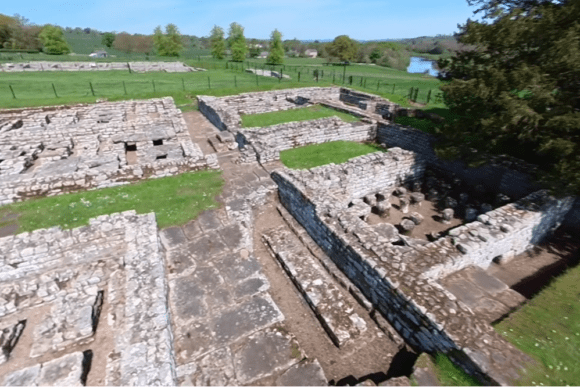
Follow the path downhill to the Roman bathhouse, one of the most complete on Hadrian’s Wall.
Here, you’ll see changing rooms, hot and cold baths, and even a furnace used to heat the water.
The peaceful setting by the Tyne contrasts beautifully with its ancient purpose — washing away the grit of garrison life.
3. The Chesters Museum
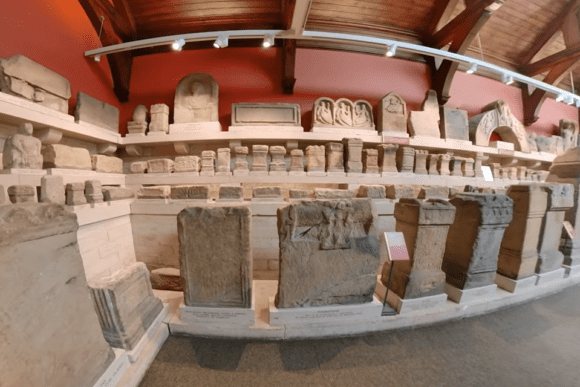
The John Clayton Museum, built in the 1890s, houses a superb collection of artefacts discovered along Hadrian’s Wall.
Sculptures, inscriptions, altars, and pottery pieces reveal the culture and beliefs of Roman soldiers stationed here.
Moreover, you can trace how local people and the army shared life on the frontier.
Learn more at the English Heritage website
A Legacy Preserved by Passion
The fort owes its survival to John Clayton, a 19th-century landowner and archaeologist who bought and protected key sites along Hadrian’s Wall.
Thanks to his foresight, Chesters remains one of the most complete examples of Roman military architecture in Britain.
Furthermore, his museum continues to educate visitors about the Wall’s enduring importance.
It’s not just an excavation — it’s a triumph of preservation.
Visiting Chesters Roman Fort and Museum
How to Get There
Address: Chollerford, Northumberland NE46 4EU
By Car: Off B6318 (Military Road); free parking on site
By Train: Hexham Station (6 miles)
By Bus: Hadrian’s Wall Country Bus (AD122) stops nearby
Opening Hours & Admission
Open daily, March–October; weekends November–February
Entry fee applies; free for English Heritage members
Facilities
Visitor centre, café, and toilets
Gift shop and picnic area
Step-free access to museum and lower site
Nearby Attractions
Chesters Bridge Abutment — Roman bridge remains on the Tyne
Housesteads Roman Fort — Dramatic hillside fortress
Corbridge Roman Town — Major supply base for Hadrian’s Wall
Hexham Abbey — Medieval church built with Roman stone
Together, they form the Hadrian’s Wall Heritage Trail.
Why Visit Chesters Roman Fort?
The Chesters Roman Fort experience offers:
Remarkably preserved Roman remains
Fascinating museum collection
Scenic riverside setting
Family-friendly outdoor exploration
Whether you’re drawn by history, archaeology, or landscapes, Chesters brings the Roman frontier vividly to life.
It’s not just a ruin — it’s a living chapter of Rome in Britain.
No Reviews