
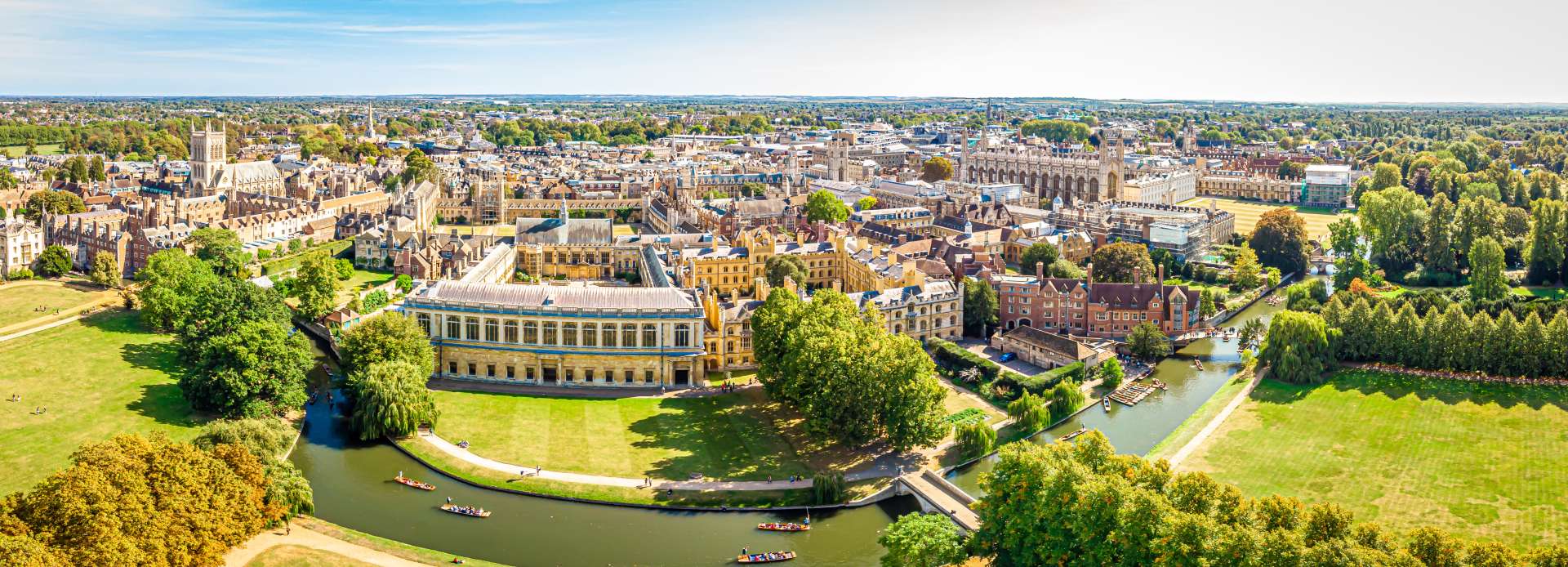
Chesters Bridge Abutment — Roman Engineering on the Tyne
Explore the Remains of a Roman Bridge That Once Carried Hadrian’s Wall Across the River Tyne Chollerford, Hexham, Northumberland, NE46 4EN
Call us anytime 0370 333 1181
https://www.english-heritage.org.uk/visit/places/chesters-bridge-abutment-hadrians-wall
open during daylight hours
customers@english-heritage.org.uk
Specification
A Bridge Between Frontiers
Hidden in the peaceful countryside near Chollerford, the Chesters Bridge Abutment reveals the skill and scale of Roman engineering.
Built in the 2nd century AD, it once carried Hadrian’s Wall and its military road across the River Tyne, connecting forts, watchtowers, and supply lines along Rome’s northern frontier.
Today, the surviving stone piers stand as a rare reminder of how the Romans combined strength, precision, and ambition to control their empire’s edge.
It’s a fragment of a frontier that still commands awe.
A Vital Crossing on Hadrian’s Wall
The bridge formed part of Hadrian’s Wall, the 73-mile defensive barrier built under Emperor Hadrian around AD 122.
Located beside Chesters Roman Fort (Cilurnum), it linked troops stationed on either bank of the Tyne.
The structure was rebuilt several times, with stone abutments, cutwater piers, and timber decking that carried soldiers and supplies across the river.
Therefore, it was more than a crossing — it was a lifeline for Rome’s northern army.
Exploring the Bridge Abutment
1. The Surviving Stones
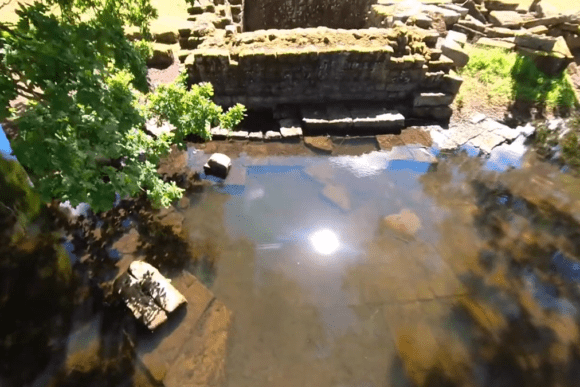
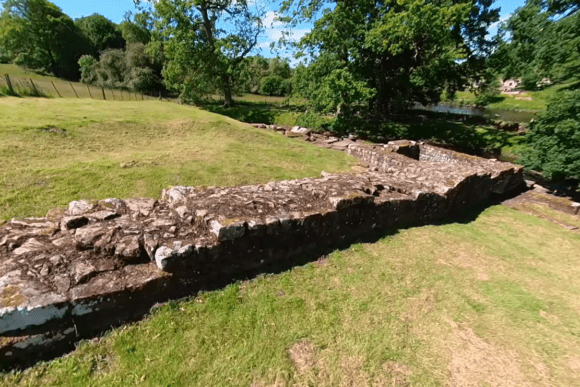
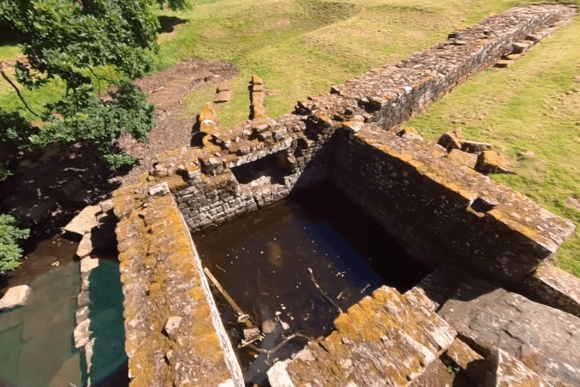
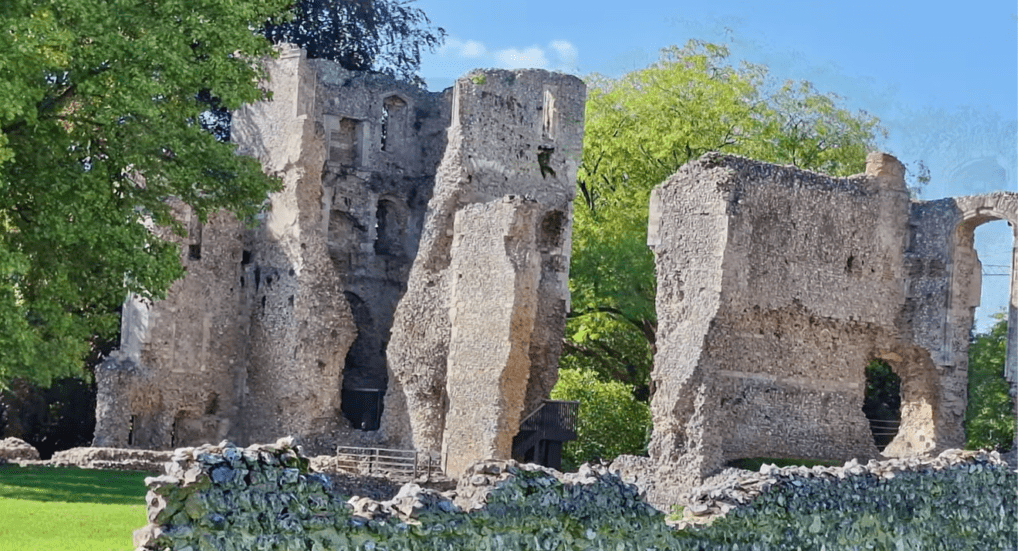
Today, visitors can see the massive stone blocks of the western abutment, carefully fitted with iron clamps and Roman mortar.
In addition, the carved edges and grooves hint at the precision used to anchor the wooden superstructure above.
2. Riverside Views
The abutment lies on a tranquil stretch of the River Tyne, surrounded by meadows and woodland.
It’s an ideal spot to imagine the bustle of legionaries, carts, and cavalry once moving across the ancient bridge.
3. Linked to Chesters Roman Fort
A short walk upstream brings you to Chesters Roman Fort, one of the best-preserved cavalry outposts on Hadrian’s Wall.
Together, the fort and bridge formed a critical junction of defence, logistics, and trade.
Learn more at the English Heritage website
A Testament to Roman Innovation
The bridge shows how Roman engineers mastered Britain’s rivers with durable stone and clever design.
Moreover, the abutment’s survival for nearly 1,900 years proves their skill in building structures that outlasted empires.
Standing by the Tyne, you can almost feel the rhythm of an army that once guarded the limits of the known world.
It’s not just archaeology — it’s Rome’s ambition set in stone.
Visiting Chesters Bridge Abutment
How to Get There
Address: Near Chollerford, Northumberland NE46 4EW
By Car: Off B6318 (Military Road), 5 minutes from Chesters Roman Fort
By Train: Hexham Station (6 miles)
By Bus: Hadrian’s Wall Country Bus (AD122) stops nearby
Opening Hours & Admission
Open daily, dawn to dusk
Free entry
Facilities
Nearest toilets and café at Chesters Roman Fort
Riverside walking path with interpretation boards
Uneven ground; wear sturdy footwear
Nearby Attractions
Chesters Roman Fort (Cilurnum) — Cavalry barracks and museum
Housesteads Roman Fort — Dramatic hillside ruins
Corbridge Roman Town — Major supply base south of the Wall
Hexham Abbey — Medieval church built with Roman stone
Together, they form part of the Hadrian’s Wall World Heritage Trail.
Why Visit Chesters Bridge Abutment?
The Chesters Bridge Abutment experience offers:
Authentic Roman remains in a peaceful riverside setting
Free access year-round
Links to Chesters Fort and Hadrian’s Wall
Scenic walking routes along the Tyne
Whether you’re exploring history or nature, this site captures the quiet power of Rome’s enduring frontier.
It’s not just a ruin — it’s a bridge between ancient past and modern landscape.
No Reviews