
Buckingham Palace — The Heart of Royal London
Explore the Official Residence of the Monarch and a Symbol of British Tradition London SW1A 1AA
Call us anytime +44 (0)303 123 7300
https://www.rct.uk/visit/buckingham-palace
open during specific dates vary annually — pre-booking essential
tickets@rct.uk


Specification
A Palace of Ceremony and Heritage
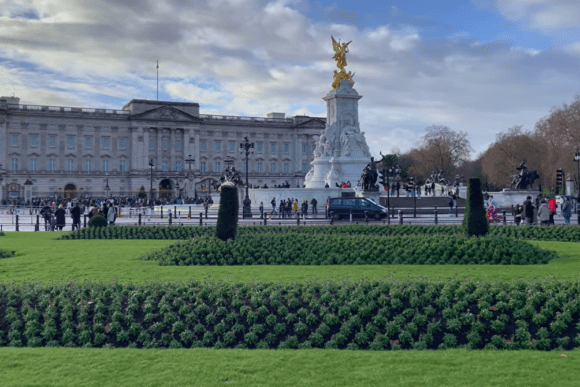
Few landmarks define London like Buckingham Palace.
Located at the end of The Mall, it serves as the official London residence of the British monarch and the epicentre of royal and national celebrations.
From state banquets to balcony appearances, the palace embodies both history and continuity — where royal tradition meets modern Britain.
From Townhouse to Royal Palace
The site began as Buckingham House, built in 1703 for the Duke of Buckingham.
It was purchased by King George III in 1761 as a private residence for Queen Charlotte.
Later, George IV transformed it into a royal palace, with architects John Nash and Edward Blore designing the grand neoclassical façade seen today.
When Queen Victoria moved in during 1837, Buckingham Palace officially became the seat of the British monarchy — and the stage for national history ever since.
Exploring Buckingham Palace
1. The State Rooms
Each summer, the palace opens its State Rooms to the public.
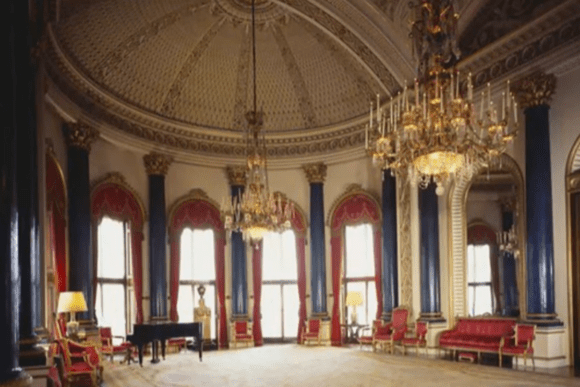
These lavishly decorated spaces feature paintings by Rembrandt, Rubens, and Canaletto, along with glittering chandeliers and gilded ceilings.
In addition, visitors can see the Throne Room, used for official photographs and investitures, and the White Drawing Room, a favourite setting for royal audiences.
2. The Royal Gardens
Behind the palace lies London’s largest private garden, stretching over 39 acres.
It includes a lake, wildflower meadows, and ancient trees that provide a tranquil retreat from the city.
Moreover, the gardens host royal garden parties, welcoming thousands of guests each summer.
3. The Changing of the Guard
The Changing of the Guard ceremony is one of London’s most famous spectacles.
It takes place on the forecourt several times a week, accompanied by military bands and precise marching.
Visitors from around the world gather to witness this timeless display of pageantry and discipline.
Learn more at the Royal Collection Trust official website
A Living Palace
Despite its grandeur, Buckingham Palace remains a working royal residence.
It houses administrative offices, royal apartments, and the headquarters of The King’s Household.
Furthermore, it plays a central role in national life — from Trooping the Colour to state visits and moments of mourning or celebration.
Behind its famous gates, centuries of royal history continue to unfold.
Visiting Buckingham Palace
How to Get There
Address: London SW1A 1AA
By Tube: Green Park, St James’s Park, or Victoria Stations.
By Bus: Routes 11, 211, 239, C1, and C10 stop nearby.
By Train: Victoria Station — 10 minutes’ walk.
Opening Hours & Admission
State Rooms: Open seasonally (usually July–September).
Changing of the Guard: Free to watch, typically 11 am on selected days.
Gardens: Access included with State Room ticket (seasonal).
Facilities
Café and shop during summer opening
Step-free access via lift and ramps
Guided multimedia tours available
Nearby Attractions
The Mall and St James’s Park: Scenic royal parade route and gardens.
Clarence House: Residence of the King and Queen.
Westminster Abbey: Site of coronations and royal weddings.
Victoria Memorial: Marble monument celebrating Queen Victoria’s reign.
Together, they form the Royal London Heritage Trail.
Why Visit Buckingham Palace?
The Buckingham Palace experience offers more than a glimpse of royalty — it’s a connection to Britain’s history, art, and tradition.
Its architecture, ceremonies, and stories continue to fascinate visitors from around the world.
Whether you attend the Changing of the Guard, tour the State Rooms, or simply admire the façade from The Mall, Buckingham Palace remains the living symbol of monarchy and nation.
It’s not just a landmark — it’s the beating heart of Royal London.
No Reviews