
Bramber Castle: Norman Ruins in West Sussex
Bramber Castle: A Norman Ruin in West Sussex Castle Lane, Bramber, Steyning, West Sussex, BN44 3WE
Open daylight hours
Specification
A Norman Fortress
Bramber Castle, near Steyning in West Sussex, was built shortly after the Norman Conquest by William de Braose, one of William the Conqueror’s trusted lords. Raised on a steep motte overlooking the River Adur, it served as the administrative and military centre of the de Braose family’s Sussex estates for centuries.
The Castle’s History
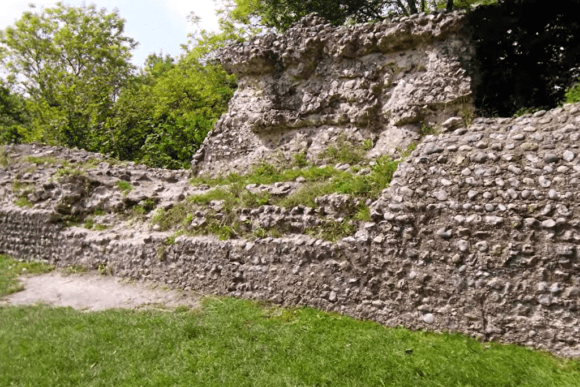
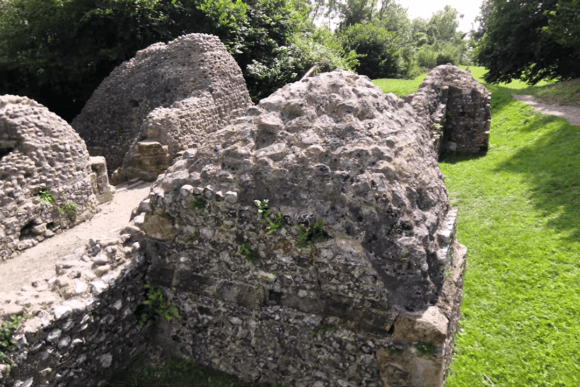
Bramber was a classic motte-and-bailey castle, with a timber fortification later rebuilt in stone. The great stone keep once dominated the site, while a curtain wall enclosed the bailey below.
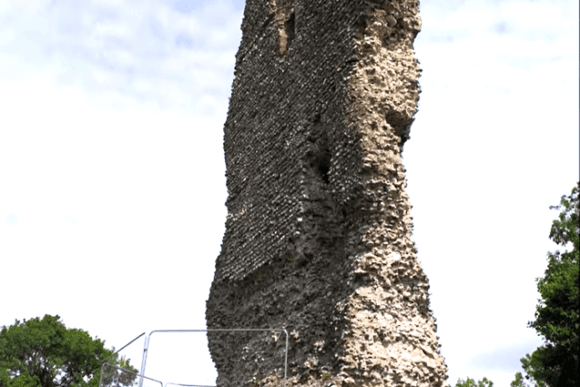
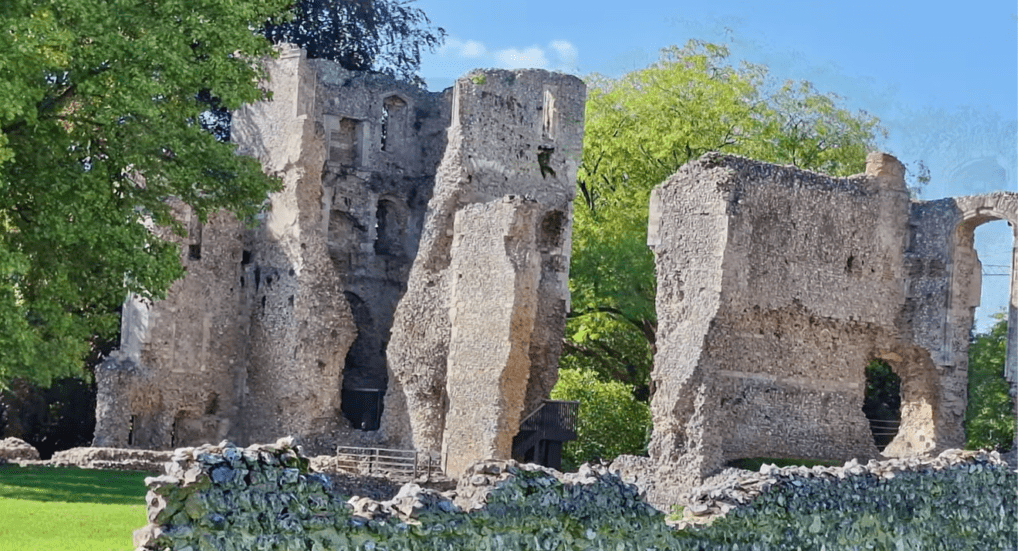
The castle was attacked during the 12th-century civil wars between King Stephen and Empress Matilda, but it remained in use until the late Middle Ages. By the 16th century it had fallen into ruin, and today only a dramatic section of the keep survives.
Learn more about Norman castles on Historic UK
Exploring Bramber Castle
Though largely ruined, the castle’s site is still impressive and free to visit. Highlights include:
The surviving keep wall – A tall fragment that hints at the castle’s former power.
The motte – A steep mound offering wide views over the Adur valley.
Earthworks and ditches – Still clearly visible around the site.
Peaceful grounds – Now a popular spot for picnics and walks.
Interpretation panels help bring the castle’s medieval story to life.
Things to Do Nearby
Bramber lies in the South Downs, with plenty of heritage and natural attractions close by:
St Nicholas Church, Bramber – A Norman parish church built alongside the castle.
Steyning – A historic market town with timber-framed houses and a museum.
South Downs Way – A long-distance trail with panoramic countryside views.
See our guides on UK castles and palaces
Why Visit Bramber Castle?
Bramber Castle may be a ruin, but its surviving keep wall, dramatic motte, and scenic setting make it a memorable visit. For walkers, families, and history lovers, it’s an ideal stop when exploring the South Downs.
No Reviews