
Apethorpe Palace: A Hidden Tudor and Jacobean Gem
Apethorpe Palace: A Royal Retreat in Northamptonshire Hunting Way Apethorpe Northamptonshire PE8 5DJ
Call us anytime 0370 333 1181
https://www.english-heritage.org.uk/visit/places/apethorpe-palace/
Open for pre‑booked guided tours only (typically Jul–Aug); otherwise closed
Specification
A Royal Secret in the English Countryside
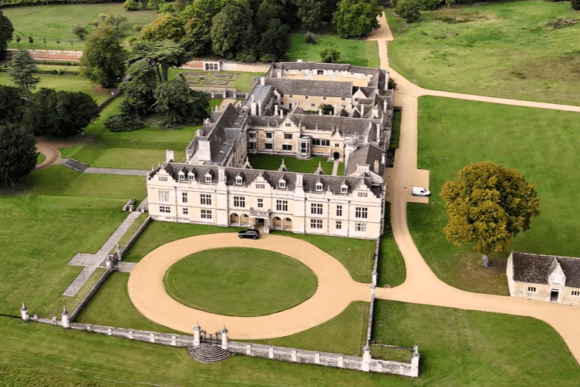
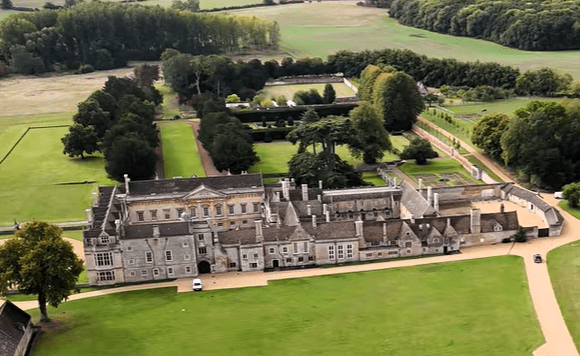
Tucked away in the Northamptonshire countryside, Apethorpe Palace is one of England’s finest — yet least known — Tudor and Jacobean mansions. Once a favourite retreat of Elizabeth I and James I, this elegant estate offers a rare glimpse into the splendour of 16th- and 17th-century royal life.
Restored after centuries of decline, the palace today stands as a stunning testament to English architecture, craftsmanship, and history.
The History of Apethorpe Palace
Apethorpe Palace, originally known as Apethorpe Hall, dates back to the 15th century. It rose to prominence under Sir Walter Mildmay, Chancellor of the Exchequer to Queen Elizabeth I, who transformed it into a luxurious country retreat fit for royal guests.
Both Elizabeth I and James I visited multiple times — James even called it his “palace,” staying frequently with his court. Later, under Charles I, the building was further refined with grand state rooms, plaster ceilings, and fine fireplaces reflecting the growing elegance of Stuart England.
Over the centuries, ownership passed through noble families, and the palace suffered neglect in the 20th century. Fortunately, the English Heritage restoration in the early 2000s revived its former glory, revealing exquisite details hidden beneath centuries of decay.
Exploring Apethorpe Palace
1. The Great Hall
At the heart of Apethorpe lies its Tudor Great Hall, with an impressive hammerbeam roof and heraldic carvings. Here, monarchs once dined, entertained, and discussed affairs of state beneath glittering chandeliers.
2. The State Rooms
The King’s Chamber, Drawing Room, and Long Gallery showcase the Jacobean love of grandeur. Elaborate wood panelling, ornate ceilings, and vast fireplaces fill these rooms with warmth and historic splendour.
3. The Courtyard and Gardens
The palace’s symmetrical courtyard is a masterpiece of Renaissance design, while the surrounding gardens offer peaceful walks framed by topiary, lawns, and ancient trees. From here, visitors can enjoy panoramic views of Northamptonshire’s gentle hills.
If you love Tudor heritage, visit Audley End House & Gardens
to explore more of England’s royal history.
Architecture and Restoration
Apethorpe Palace is celebrated for its fusion of Tudor solidity and Jacobean elegance. Its architecture features mullioned windows, ornate chimneys, and intricate stone carvings, reflecting the craftsmanship of the Elizabethan golden age.
During its restoration, archaeologists uncovered traces of Tudor paintwork, rare plasterwork, and even graffiti left by royal servants — offering a human connection to its grand past.
Today, the building stands as one of the finest surviving examples of early Stuart domestic architecture in England.
Visiting Apethorpe Palace
Address: Apethorpe, Northamptonshire, PE8 5LD
By car: Off the A605; parking available in the village.
By train: Closest stations are Oundle (6 miles) and Peterborough (15 miles).
By bus: Limited local services — check schedules in advance.
Opening Hours:
Open for guided tours only on select days between spring and autumn. Managed by English Heritage.
Learn more at the English Heritage official website
Nearby Attractions
Fotheringhay Castle Site: Birthplace of Richard III.
Elton Hall: Another magnificent stately home with art collections.
Barnwell Country Park: Lakeside walks and wildlife spotting.
Peterborough Cathedral: A Gothic masterpiece nearby.
Together, they create a fascinating Northamptonshire heritage trail.
Why Visit Apethorpe Palace?
Apethorpe Palace combines royal history, architectural beauty, and centuries of hidden stories. From Tudor feasts to Jacobean refinement, every room and corridor echoes with England’s past.
Step inside a forgotten royal palace and uncover one of Britain’s most beautifully restored treasures.
No Reviews