
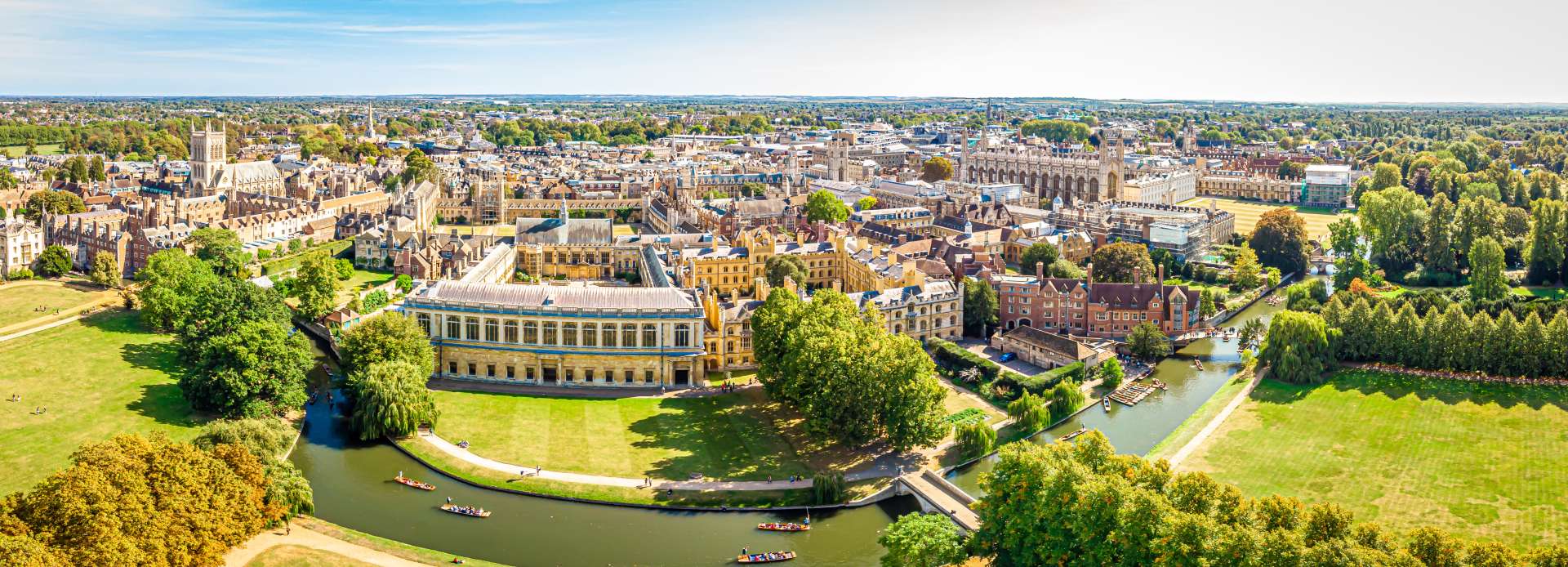
Meare Fish House — A Medieval Monastic Building
Explore a Rare 14th-Century Fishery Lodge Linked to Glastonbury Abbey St Mary’s Road, Meare, Glastonbury, Somerset, BA6 9SP
Call us anytime 0370 333 1181
https://www.english-heritage.org.uk/visit/places/meare-fish-house/
Open any reasonable time during daylight hours
customers@english-heritage.org.uk


Specification
A Quiet Survivor of Glastonbury’s Monastic Estate
Set beside the tranquil wetlands of the Somerset Levels, Meare Fish House is one of the few surviving buildings linked to the vast lands of Glastonbury Abbey.
Built in the 14th century, it served as accommodation for the abbey’s fisheries manager and as a base for supervising the surrounding fishponds.
Today, its stone walls, quiet setting, and rare purpose make it a fascinating remnant of medieval monastic life.
It’s a peaceful historic site tucked into the landscape.
A Working Building for a Powerful Abbey
Glastonbury Abbey relied heavily on fish, especially during fasting seasons.
Meare formed part of a major estate of ponds, waterways, and managed wetlands designed to supply food to the monastic community.
However, the abbey’s dissolution in the 16th century ended its administrative role, leaving the Fish House as a quiet rural survivor.
Therefore, the building offers insight into the practical side of monastic living.
Exploring Meare Fish House
1. The Stone Hall and Upper Rooms
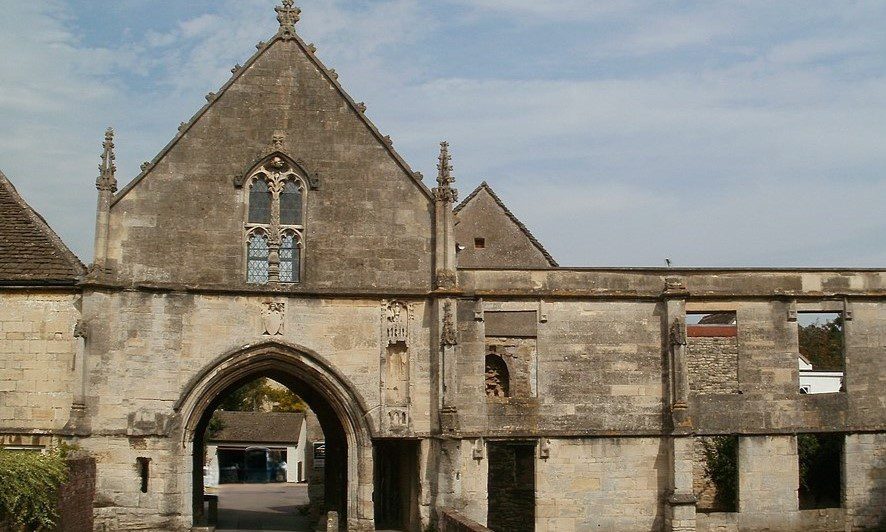
The rectangular stone building includes a hall on the ground floor and chambers above.
Although roofless now, its layout remains clear and easy to explore.
In addition, the windows and fireplaces help visitors imagine life here centuries ago.
2. A Peaceful Wetland Setting
The Fish House stands near former monastic fishponds and reed-filled wet meadows.
Birdsong, open fields, and big Somerset skies make the area especially calm.
Moreover, its isolation adds to the sense of stepping back into medieval rural life.
3. Connections to Glastonbury Abbey
The building once played a key role in supplying the abbey.
The abbots appointed a “keeper of the waters,” who lived here and oversaw the fisheries.
Furthermore, Meare village was part of the abbey’s wider estate and still reflects that heritage.
Learn more at the English Heritage website
A Rare Example of Monastic Working Architecture
Unlike grand abbey churches or ornate priories, Meare Fish House represents the practical side of monastic life.
Its survival makes it one of the very few medieval fishery lodges still standing in England.
Additionally, its sturdy stone design shows the wealth and capability of Glastonbury Abbey at its peak.
It’s not just a ruin — it’s a valuable look at monastic agriculture and resource management.
Visiting Meare Fish House
How to Get There
Address: Meare, Somerset BA6
By Car: Short drive from Glastonbury; roadside parking nearby
By Train: Castle Cary (nearest mainline station)
By Bus: Regular services from Glastonbury to Meare village
Opening Hours & Admission
Open daily
Free entry
Facilities
No facilities on site
Shops and cafés in Meare or Glastonbury
Flat but sometimes muddy ground
Nearby Attractions
Glastonbury Abbey — Legendary medieval monastic ruins
Glastonbury Tor — Iconic hilltop landmark
Chalice Well Gardens — Sacred spring and peaceful grounds
Shapwick Heath — Wildlife haven on the Somerset Levels
Together, these sites form the Somerset Levels & Glastonbury Heritage Trail.
Why Visit Meare Fish House?
The Meare Fish House experience offers:
A rare medieval monastic building
Peaceful wetland scenery
Free, relaxed exploration
Strong links to Glastonbury Abbey
Whether you enjoy quiet historic sites, medieval architecture, or countryside walks, Meare Fish House is a calm and rewarding stop.
It’s not just a building — it’s a surviving piece of Glastonbury’s working world.
No Reviews