
Hambledon Hill — A Vast Iron Age Hillfort
Explore Deep Ramparts, Neolithic Earthworks, and Wide Dorset Views Child Okeford, Dorset, DT11 8HD
Call us anytime 01297 489481
https://www.nationaltrust.org.uk/visit/dorset/hambledon-hill
Open every day from dawn to dusk
westdorset@nationaltrust.org.uk
Specification
A Dramatic Hillfort with Ancient Origins
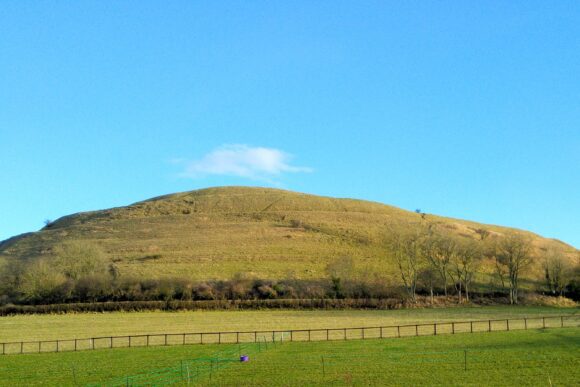
Rising above the Blackmore Vale, Hambledon Hill is one of Dorset’s most impressive prehistoric sites.
Its long ridge, multiple ramparts, and far-reaching views make it a favourite for walkers and history enthusiasts.
Today, the hillfort remains a striking example of ancient landscape engineering.
It’s a large and scenic monument with deep history.
Neolithic Beginnings
Before the hillfort existed, Hambledon Hill was a major Neolithic site.
Archaeologists have found causewayed enclosures, long ditches, and burial features from around 3000 BC.
Therefore, the hill played an important role long before the Iron Age.
These early features include:
Ditches and banks
Human remains
Pottery fragments
Evidence of ritual activity
In addition, the site’s position suggests a long tradition of ceremonial use.
Iron Age Expansion
During the Iron Age, the hill was transformed into a large multi-rampart fort.
Its steep slopes and deep banks created strong natural and man-made defences.
Moreover, the fort’s size shows the importance of this region’s communities.
The hillfort includes:
Triple ramparts in places
Complex entrance systems
Wide interior spaces
Strategic views across routes and farmland
Therefore, Hambledon Hill served both defensive and symbolic roles.
Exploring Hambledon Hill
1. The Ramparts and Defences
The ramparts rise sharply around the hill.
Walking along them highlights the scale of Iron Age engineering.
In addition, the defensive lines offer excellent viewpoints.
2. The Hilltop Ridge
The long ridge provides open, grassy walking routes.
It once held huts, storage areas, and working spaces.
Furthermore, the ridge walk gives panoramic views in all directions.
3. Views Across the Blackmore Vale
From the summit, you can see Hod Hill, Bulbarrow Hill, and far into the Dorset landscape.
These views make Hambledon Hill one of the most rewarding climbs in the county.
Moreover, the open setting adds to the sense of timelessness.
(Learn more at the National Trust’s official Hambledon Hill page.)
Wildlife and Natural Landscape
The hill is rich in chalk grassland plants and insects.
Butterflies, orchids, and grazing livestock help maintain the landscape.
Because the National Trust manages the site, wildlife thrives in the area.
In addition, birds of prey often fly above the ridge.
Walks and Nearby Sites
Hambledon Hill links well with other Dorset prehistoric sites.
Popular routes include:
Walks to Hod Hill
Circuits around the Blackmore Vale
Ridge paths toward Child Okeford
Longer routes toward Shillingstone
See our guides to Hod Hill and Badbury Rings for more Dorset hillforts.
Visiting Hambledon Hill
How to Get There
Location: Near Child Okeford, Dorset
Parking: Small parking areas at the base
Train: Gillingham (Dorset) or Blandford (bus connections)
Bus: Local services to Child Okeford
Opening Hours & Admission
Open daily
Free access
Facilities
No toilets or café
Grassy paths and steep slopes
Information boards nearby
Nearby Attractions
Hod Hill — Roman fort and Iron Age earthworks
Shillingstone Station — Heritage railway site
Sturminster Newton Mill — Working watermill
Fiddleford Manor — Medieval manor house
Together, these form the North Dorset Hillfort Trail.
Why Visit Hambledon Hill?
The Hambledon Hill experience offers:
Huge Iron Age earthworks
Neolithic features and long history
Outstanding views
Peaceful walking routes
Whether you enjoy archaeology, long walks, or dramatic landscapes, Hambledon Hill is one of Dorset’s most rewarding ancient sites.
It’s not just a hillfort — it’s a prehistoric monument shaped over millennia.
No Reviews