
Dupath Well — A Medieval Holy Well House in Cornwall
Visit a Peaceful 15th-Century Well House Surrounded by Woodland Dupath, Callington, Cornwall, PL17 8AD
Call us anytime 0370 333 1181
https://www.english-heritage.org.uk/visit/places/dupath-well/
open during daylight hours
customers@english-heritage.org.uk

Specification
A Quiet Sanctuary Hidden Among the Trees
Tucked away near Callington, Dupath Well is one of the most beautiful and complete holy well houses in Cornwall.
Built around 1500, it shelters a spring once visited for healing and spiritual protection.
Today, its granite architecture, mossy setting, and peaceful woodland create a serene escape into the past.
It’s a small site with extraordinary medieval charm.
A Holy Well with Ancient Roots
Holy wells have deep roots in Celtic and Christian traditions.
Dupath Well’s spring was likely used long before the 15th-century chapel-like structure was built.
However, medieval communities later dedicated the site to St Ethelred, believing the water held healing properties.
Therefore, Dupath Well reflects both early spirituality and later Christian devotion.
Exploring Dupath Well
1. The Granite Well House
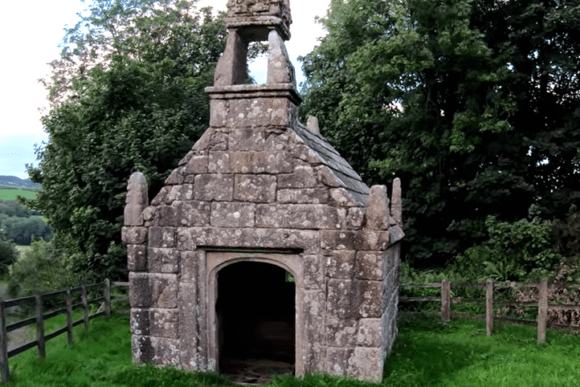
The tiny building resembles a miniature chapel with a steep roof, carved doorway, and narrow windows.
Inside, the spring collects in a shallow stone basin where pilgrims once dipped hands or filled vessels.
In addition, the vaulted ceiling and worn steps add to the atmosphere.
2. The Woodland Setting
The well sits in a quiet clearing surrounded by trees and wildlife.
Birdsong, soft light, and moss-covered stone give the site a timeless, almost enchanted feel.
Moreover, the gentle approach path makes the experience even more peaceful.
3. Local Legends and Folklore
Cornish tradition tells of rival knights who fought a duel here for a lady’s favour — a tale said to have ended tragically.
Such stories add a layer of romance and mystery to the site.
Furthermore, the well was once believed to cure whooping cough and other ailments.
Learn more at the English Heritage website
A Beautiful Example of Cornish Medieval Craftsmanship
The craftsmanship at Dupath Well is remarkable.
Its granite blocks fit tightly, the carved finial sits proudly on the roof, and the simple interior retains its medieval character.
Additionally, the lack of modern alterations keeps the site wonderfully authentic.
It’s not just a well house — it’s a perfect little building filled with quiet history.
Visiting Dupath Well
How to Get There
Address: Near Callington, Cornwall PL17
By Car: Short drive from Callington; small pull-in for parking
By Train: Plymouth Station (closest major station)
By Bus: Local services to Callington, then a short walk
Opening Hours & Admission
Open daily
Free entry
Facilities
No facilities on site
Shops, cafés, and toilets in Callington
Narrow footpaths; can be muddy after rain
Nearby Attractions
Cotehele House — Beautiful Tudor house with gardens
Kit Hill — Country park with views over Devon and Cornwall
Calstock Viaduct — Iconic riverside railway landmark
Launceston Castle — Dramatic Norman keep
Together, these create the Tamar Valley Heritage Trail.
Why Visit Dupath Well?
The Dupath Well experience offers:
One of Cornwall’s best-preserved holy wells
Peaceful woodland surroundings
Free, easy access
Fascinating folklore and medieval history
Whether you enjoy legends, quiet walks, or unique historic sites, Dupath Well offers a gentle and memorable visit.
It’s not just a well — it’s a tiny medieval sanctuary hidden in the woods.
No Reviews