
Dunstanburgh Castle — Ruin on a Wild Northumberland Coast
Walk to a Dramatic Medieval Fortress Standing Above Crashing Waves Dunstanburgh Road, Craster, Northumberland NE66 3TT
Call us anytime 01665 572580
https://www.english-heritage.org.uk/visit/places/dunstanburgh-castle/
Open Apr–Oct: Daily 10:00–17:00; Nov–Mar: Weekends 10:00–16:00
customers@english-heritage.org.uk
Specification
A Fortress Built for Power
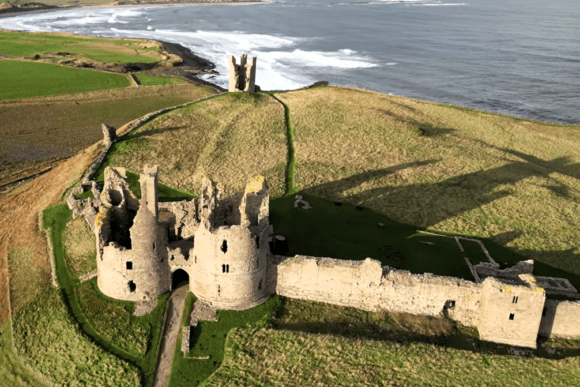
Standing high above the waves near Craster, Dunstanburgh Castle dominates one of England’s most dramatic coastlines.
Built in the early 1300s by Earl Thomas of Lancaster, the fortress was meant to showcase influence during a period of political unrest.
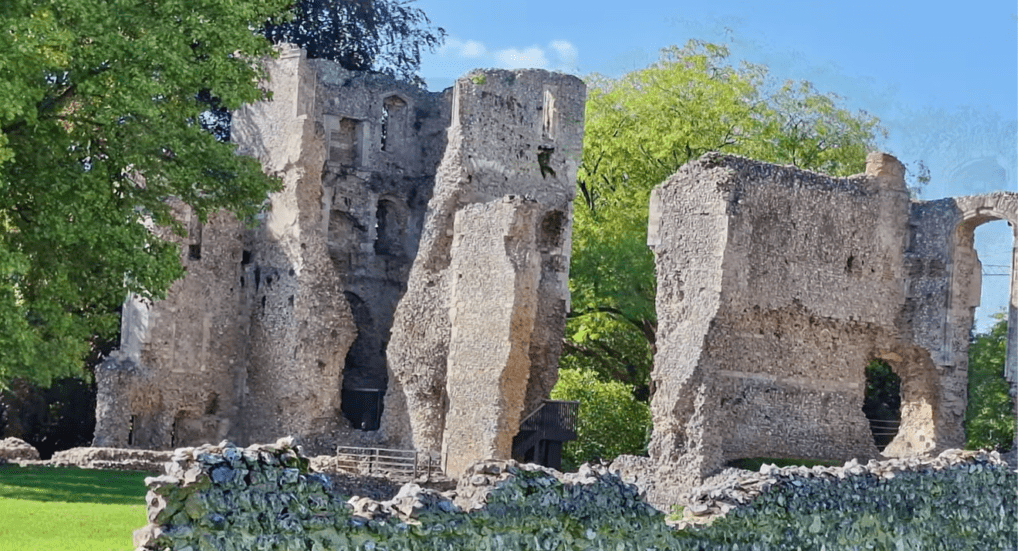
Today, the shattered towers and windswept headland create a haunting scene that draws walkers, photographers, and history lovers.
It’s a place where medieval ambition meets raw coastal beauty.
A Castle Caught in Conflict
Construction began around 1313, when Lancaster sought to challenge King Edward II.
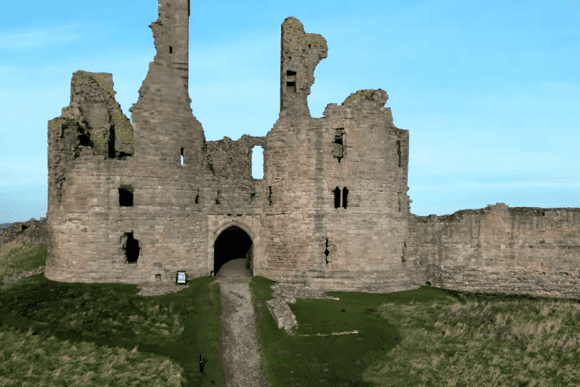
The huge Great Gatehouse, with its twin towers and imposing entrance, reflects the scale of his ambition.
However, after Lancaster’s execution, the castle passed to the Crown and later played a major role in the Wars of the Roses.
Therefore, its ruins tell stories of shifting loyalties, siege warfare, and centuries of coastal defence.
Exploring Dunstanburgh Castle
1. The Walk from Craster
Most visitors begin in Craster, following a scenic mile-long path along the cliffs.
The castle appears gradually, rising starkly against the sky.
In addition, seabirds and salty wind make the approach unforgettable.
2. The Great Gatehouse
The massive gatehouse remains Dunstanburgh’s most striking feature.
You can walk through its vaulted passage and still see arrow slits and defensive chambers.
The sheer scale shows how intimidating the entrance once felt to approaching forces.
3. The Inner Ward and Towers
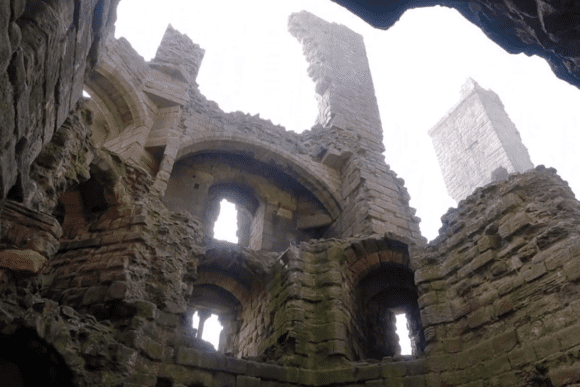
Inside the walls, foundations reveal where halls, storerooms, and living quarters once stood.
Climb the Lilburn Tower for sweeping views over Embleton Bay and the North Sea.
Furthermore, the bleak setting adds drama to every inch of the ruin.
Learn more at the English Heritage website
Sea, Wind, and Stone
Dunstanburgh Castle blends history with natural power.
Storms, salt air, and shifting tides have shaped the ruin as much as human conflict.
Moreover, the low grassy cliffs create one of the most atmospheric walks in Britain.
It’s not just a medieval fortress — it’s a monument carved by land and sea.
Visiting Dunstanburgh Castle
How to Get There
Address: Dunstanburgh Castle, Craster, Northumberland NE66 3TT
By Car: Park in Craster; coastal path to the castle
By Train: Alnmouth Station (7 miles)
By Bus: Services from Alnwick stop in Craster
Opening Hours & Admission
Open daily, March–October; weekends November–February
Entry fee applies; free for English Heritage members
Facilities
No facilities at the castle
Toilets, cafés, and parking in Craster
Exposed site — dress for wind and weather
Nearby Attractions
Bamburgh Castle — Iconic fortress with royal history
Alnwick Castle — Home of the Percy family
Howick Hall Gardens — Woodland walks and tea gardens
Embleton Bay — Wide sandy beach near the castle
Together, they form the Northumberland Castles and Coast Trail.
Why Visit Dunstanburgh Castle?
The Dunstanburgh Castle experience offers:
A dramatic coastal walk
Powerful medieval ruins
Breathtaking sea views
Atmospheric photography opportunities
Whether you love history, walking, or wild scenery, this castle delivers a unique blend of the natural and the historic.
It’s not just a visit — it’s a journey along one of Britain’s most spectacular coastlines.
No Reviews