
Dartmouth Castle — A Coastal Fortress at the Dart Estuary
Discover a Scenic Artillery Fort Guarding One of England’s Loveliest Harbours Castle Road, Dartmouth, Devon, TQ6 0JN
Call us anytime 01803 834445
https://www.english-heritage.org.uk/visit/places/dartmouth-castle/
open Apr–Oct: Daily 10:00–17:00; Nov–Mar: Weekends 10:00–16:00
dartmouth.castle@english-heritage.org.uk

Specification
Outdoor PicnicA Gateway to the River Dart
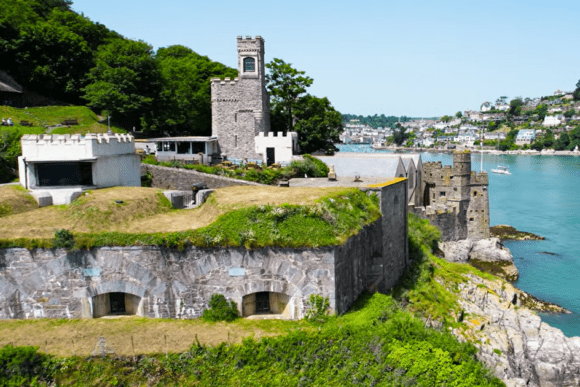
Guarding the narrow mouth of the River Dart, Dartmouth Castle has protected this beautiful harbour for more than 600 years.
Built in the 14th century and expanded with Tudor artillery, it commands spectacular views of the estuary and the English Channel.
Today, its towers, gun platforms, and clifftop paths create one of the most picturesque castle visits in Devon.
It’s a perfect blend of history and coastal scenery.
A Castle Built for Defence and Innovation
Dartmouth Castle began as a fortified tower designed to stop enemy ships from reaching the harbour.
Later, the Tudor navy upgraded the site with powerful guns to protect the important port.
However, the castle continued to evolve, playing roles in the Civil War and later coastal defence.
Therefore, Dartmouth Castle reflects centuries of shifting threats, technologies, and maritime strategy.
Exploring Dartmouth Castle
1. The Gun Tower
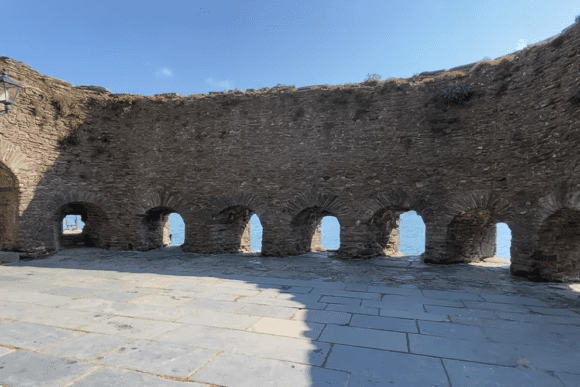
The lower gun tower forms the heart of the site.
Inside, you’ll find cannon ports, vaulted ceilings, and displays showing how artillery crews defended the estuary.
In addition, the openings offer dramatic views across the river mouth.
2. The Tudor Artillery Fort
A later addition strengthened the castle with heavier coastal guns.
You can explore the platforms, powder rooms, and defensive positions built to handle early cannon fire.
Moreover, the layout reveals how the site adapted to new military ideas.
3. Coastal Paths and River Views
The castle stands at the meeting point of river and sea.
Paths lead along cliffs and down to sheltered coves, offering superb views of Dartmouth town, Kingswear, and the open channel.
Furthermore, the area is ideal for photography and gentle walking.
Learn more at the English Heritage website
A Harbour Rich in Maritime History
The River Dart has long been a base for trade, defence, and exploration.
From medieval fleets to Tudor expeditions, ships have passed under the castle’s watch for centuries.
Additionally, Dartmouth town still displays its maritime heritage through old quays, narrow lanes, and traditional boatyards.
It’s not just a castle — it’s a key part of the story of England’s naval past.
Visiting Dartmouth Castle
How to Get There
Address: Castle Road, Dartmouth, Devon TQ6 0JN
By Car: Parking available at nearby car parks
By Boat: Seasonal ferries run from Dartmouth harbour
By Bus: Local routes stop near the coastal footpath
Opening Hours & Admission
Open most of the year
Entry fee applies; free for English Heritage members
Facilities
Small shop
Toilets
Café nearby on the coastal path
Nearby Attractions
Bayard’s Cove Fort — Small Tudor fort beside the waterfront
Dartmouth Town — Historic harbour with cafés and galleries
Dartmouth Steam Railway — Scenic heritage railway
Coleton Fishacre — Art Deco house with sea gardens
Together, they form the Dart Estuary Heritage Trail.
Why Visit Dartmouth Castle?
The Dartmouth Castle experience offers:
A stunning coastal setting
Historic artillery towers
Beautiful river and harbour views
Easy, photogenic walking routes
Whether you enjoy castles, coastal views, or maritime history, Dartmouth Castle delivers charm and atmosphere.
It’s not just a fort — it’s one of Devon’s most scenic historic landmarks.

No Reviews