
Brough Castle: Medieval Ruins in Cumbria
Brough Castle: A Norman Fortress in Cumbria Church Brough, Kirkby Stephen, Cumbria, CA17 4EJ
Open daylight hours
Specification
A Castle on Roman Foundations
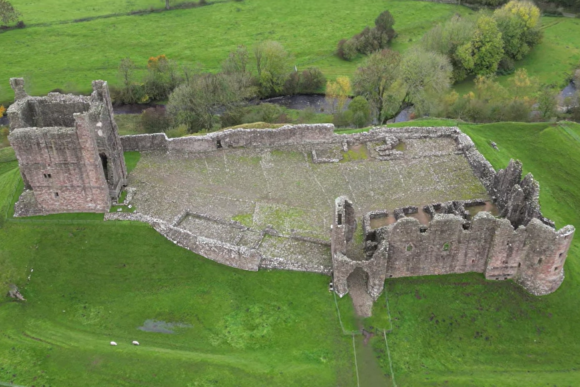
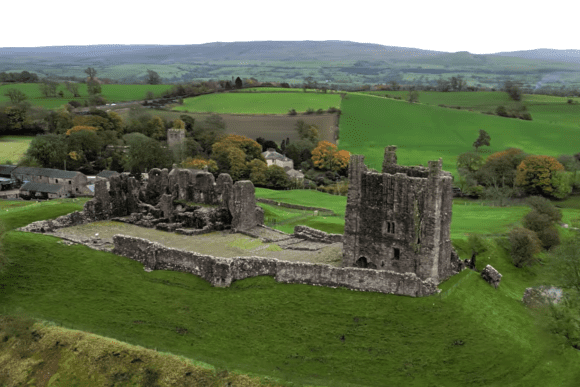
Brough Castle, in the Eden Valley of Cumbria, stands on the site of the Roman fort of Verterae, which guarded the strategic Stainmore Pass. Built soon after the Norman Conquest, the castle became an important stronghold for controlling routes between England and Scotland.
The Norman Keep
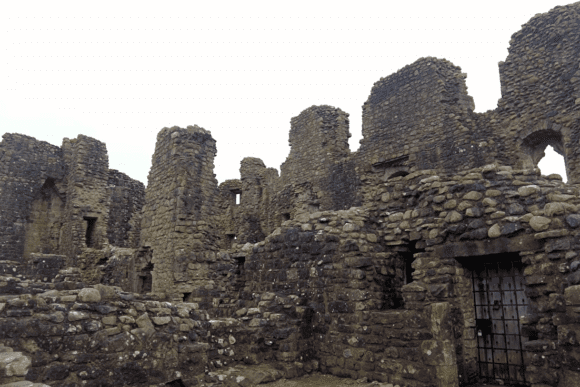
The first stone keep was built in the late 11th century by William Rufus. The castle was later strengthened with curtain walls and towers, creating a formidable fortress. Its location made it a target in border conflicts with Scotland, and it was burned several times during medieval wars.
Despite repeated damage, the castle remained a residence for noble families, including the Cliffords of Westmorland.
Lady Anne Clifford’s Restoration
In the 17th century, the indomitable Lady Anne Clifford restored Brough Castle, along with several other family estates in the north. Her work gave the ruins a second life, though by the 18th century the castle was abandoned once more.
Today, visitors can still see the remains of her improvements, alongside the medieval walls and towers.
Learn more about Lady Anne Clifford’s legacy at English Heritage
Exploring Brough Castle
The site is free to visit and includes:
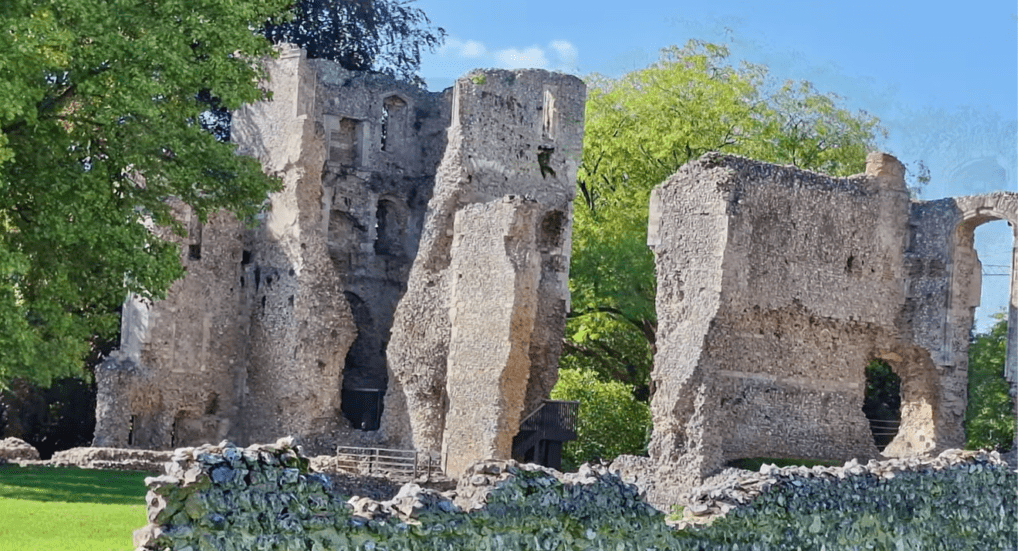
The tall keep – A powerful remnant of the original Norman design.
Curtain walls and towers – Outlining the castle’s defences.
Roman earthworks – Reminders of the earlier fort of Verterae.
Scenic views – Over the Eden Valley and Pennines.
Interpretation boards explain both the Roman and medieval history of the site.
Things to Do Nearby
Brough is a small market town with heritage charm. Nearby attractions include:
Brougham Castle – Another Clifford stronghold with Roman roots.
Appleby-in-Westmorland – A market town with a castle and historic centre.
North Pennines AONB – Dramatic landscapes for walking and cycling.
See our guides on UK castles and palaces
Why Visit Brough Castle?
Brough Castle combines Roman origins, Norman power, and Clifford family history. With its imposing keep, atmospheric ruins, and free access, it’s one of Cumbria’s most rewarding historic sites.
Amenities
Free Admission Shop Toilet Food Public Car ParkPrice:
FreeChurch Brough, Kirkby Stephen, Cumbria, CA17 4EJ
Get DirectionsBook a table online
Powered by OpenTable
Recommended
No Reviews