
Bolingbroke Castle: Birthplace of Henry IV
Bolingbroke Castle: Birthplace of Henry IV Old Bolingbroke, Spilsby, Lincolnshire, PE23 4HH
https://www.english-heritage.org.uk/visit/places/bolingbroke-castle/
Open daylight hours
Specification
Outdoor PicnicA Castle of Royal Birth
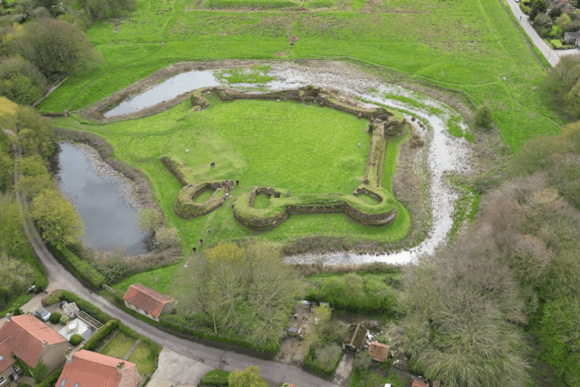
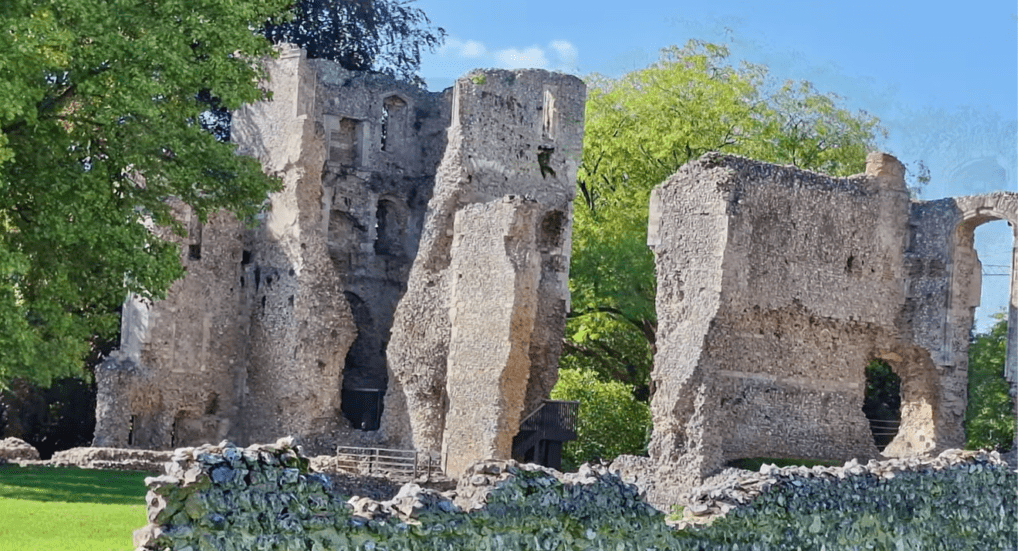
Bolingbroke Castle, near Spilsby in Lincolnshire, was built in the early 13th century by Ranulf, Earl of Chester. Though now a ruin, its earthworks and stone walls still outline a once-powerful fortress. The castle is most famous as the birthplace of King Henry IV in 1367, a landmark moment in English royal history.
History of Bolingbroke Castle
The castle was built without a keep, instead relying on a strong curtain wall and defensive towers around a central courtyard. For centuries, it was an important noble residence, passing to the powerful House of Lancaster.
In 1367, Henry Bolingbroke—later King Henry IV—was born here. During the English Civil War in 1643, Royalist forces held the castle, but it was besieged and badly damaged by Parliamentarian troops. After its fall, the castle was slighted to prevent further military use.
Learn more about its role in medieval history at English Heritage
Things to Do Nearby
Bolingbroke is set in Lincolnshire’s quiet countryside, with attractions nearby:
Spilsby – A market town with shops, pubs, and heritage buildings.
Gunby Hall – A National Trust country house with gardens.
Lincoln Cathedral and Castle – A short drive away, offering medieval splendour.
Exploring the Ruins
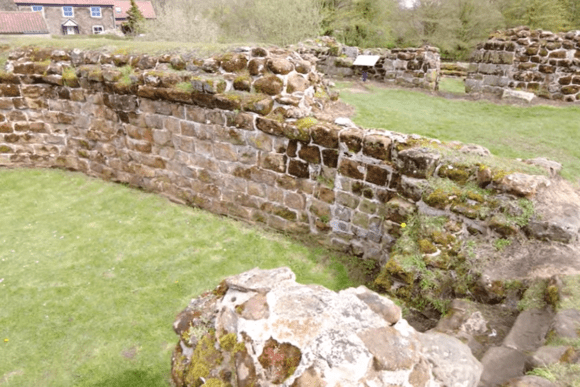
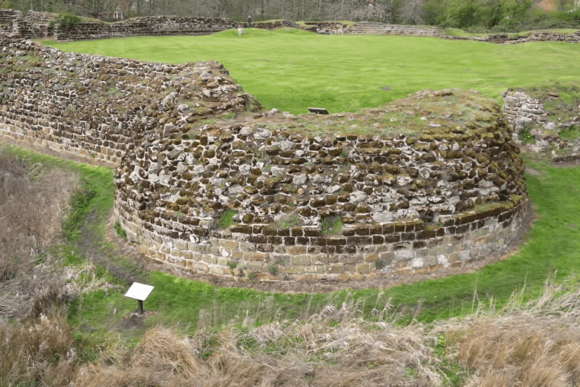
Though roofless, the castle’s remains are atmospheric and free to explore. Visitors can still see:
Curtain walls – Outlining the hexagonal shape of the fortress.
Defensive towers – The bases of towers that once guarded the walls.
Earthworks and ditches – Powerful defences still visible today.
Information boards – Explaining the castle’s royal connections.
Its grassy site makes it popular with walkers, families, and history enthusiasts.
Why Visit Bolingbroke Castle?
Bolingbroke Castle may be in ruins, but its royal connection and dramatic history make it a fascinating stop. As the birthplace of Henry IV and a Civil War battlefield site, it combines medieval heritage with atmospheric landscapes. For history lovers, it’s a hidden gem in Lincolnshire.
No Reviews