
Birdoswald Roman Fort: Gateway to Hadrian’s Wall
Birdoswald Roman Fort: A Stronghold on Hadrian’s Wall Gilsland, Brampton, Cumbria, CA8 7DD
https://www.english-heritage.org.uk/visit/places/birdoswald-roman-fort-hadrians-wall/
Open Apr–Oct: Daily 10:00-17:00; Nov–Mar: Daily 10:00-16:00
Specification
Outdoor PicnicA Fort on the Frontier
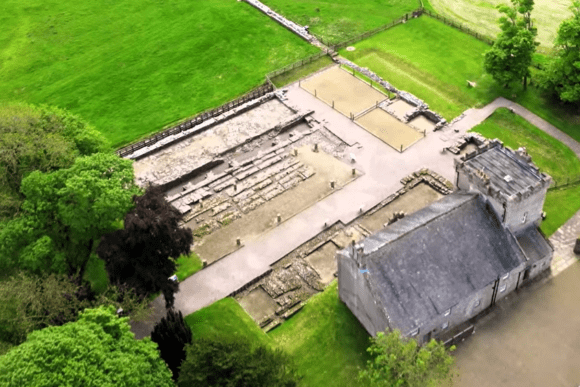
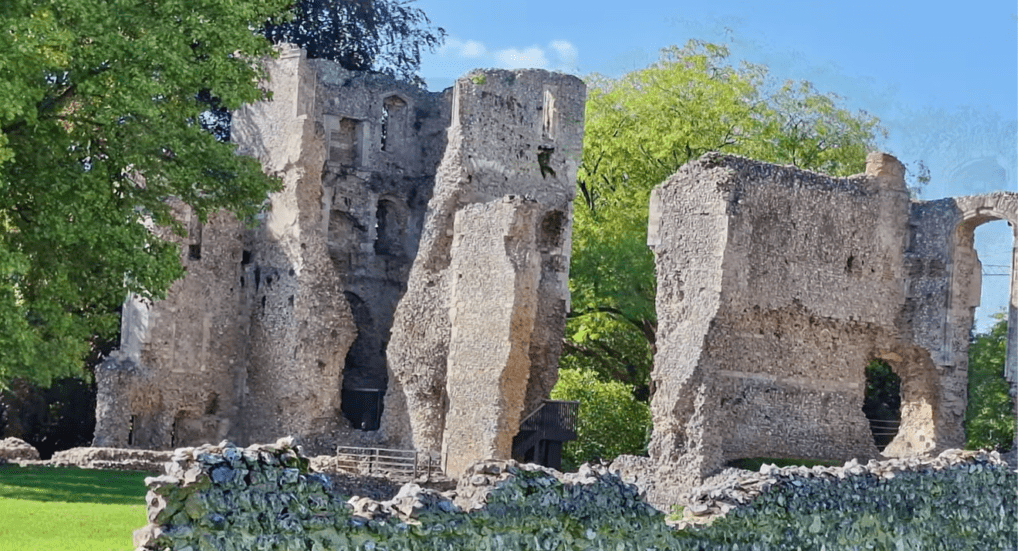
Birdoswald Roman Fort, located near Brampton in Cumbria, is one of the best-preserved forts on Hadrian’s Wall. Known to the Romans as Banna, it housed infantry and cavalry units guarding this remote frontier of the empire. Today, its ruins, visitor centre, and commanding position above the River Irthing make it a key stop on the Hadrian’s Wall trail.
The History of Birdoswald
Birdoswald was built in the early 2nd century AD as part of Hadrian’s Wall. Unlike many forts, it remained in use longer than most, possibly into the 5th century—after Roman rule in Britain officially ended. This makes it one of the best sites to study the transition from Roman to post-Roman life.
The fort was home to units of auxiliary soldiers, often recruited from across the Roman Empire. Evidence shows cavalry troops from Dacia (modern Romania) and Gaul served here.
Learn more about the site on the English Heritage website
Exploring the Fort
Visitors can still see impressive remains, including:
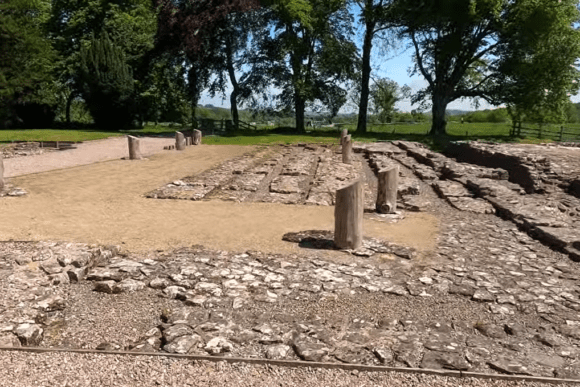
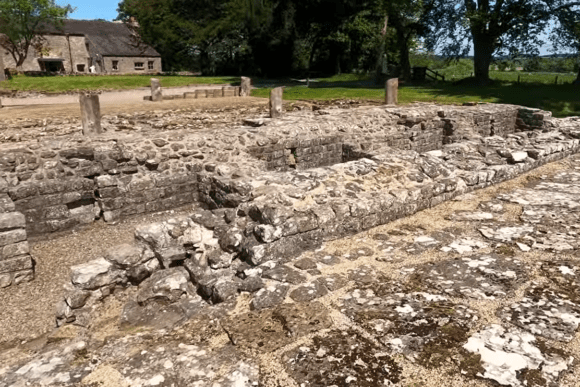
The Fort Walls and Gateways – Substantial stretches of Roman stonework.
Granaries – Remarkably well-preserved storage buildings.
The West Gate – One of the fort’s most complete structures.
Exhibitions – A visitor centre with artefacts, models, and interactive displays.
Its position above the River Irthing valley also offers sweeping views of the surrounding countryside.
Things to Do Nearby
Birdoswald is part of the wider Hadrian’s Wall UNESCO World Heritage Site. Nearby attractions include:
Banks East Turret – A preserved Roman watchtower on the Wall.
Lanercost Priory – A medieval monastery built with stones from the Wall.
Carlisle Castle – A fortress guarding the frontier city.
Why Visit Birdoswald Roman Fort?
Birdoswald offers one of the most complete Roman fort experiences on Hadrian’s Wall. With its ruins, museum, and dramatic setting, it brings the frontier to life. For walkers, families, and history lovers alike, it’s an essential stop along this remarkable World Heritage Site.
Amenities
Family Friendly Guided Tours Dogs On Leads Welcome Shop Accessible Toilets Toilet Baby Change Picnic Area Exhibition Food Blue Badge Bays Garden Outdoor SeatingGilsland, Brampton, Cumbria, CA8 7DD
Get DirectionsBook a table online
Powered by OpenTable
Recommended
No Reviews