
London Museum Docklands – London’s River & Port History
Discover 400 Years of Docklands History, Maritime Trade, Sailortown, Sugar and Slavery, and the Transformation of East London No.1 Warehouse, West India Quay, London E14 4AL
Specification
The Story of London’s Relationship with the River Thames
The Museum of London Docklands explores the history of London as a port city.
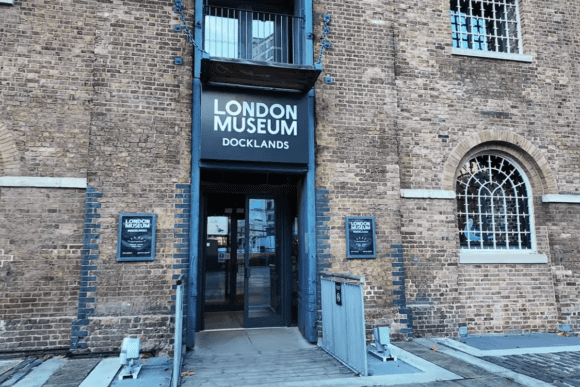
Located in a restored Georgian warehouse at West India Quay, the museum tells the story of trade, shipping, migration, and riverside life over the last 2,000 years.
Today, it is one of London’s most important social and maritime history museums.
It’s one of the best places to understand how the River Thames shaped London.
A Historic Warehouse Setting
The museum occupies a Grade I listed warehouse built in 1802 for the West India Docks.
The building originally stored goods such as sugar, rum, coffee, and cotton arriving from across the British Empire.
Therefore, the museum itself forms part of the story it tells.
Key themes include:
The River Thames
International trade
Dock workers and riverside communities
London’s growth as a global port
Slavery and empire
Docklands regeneration
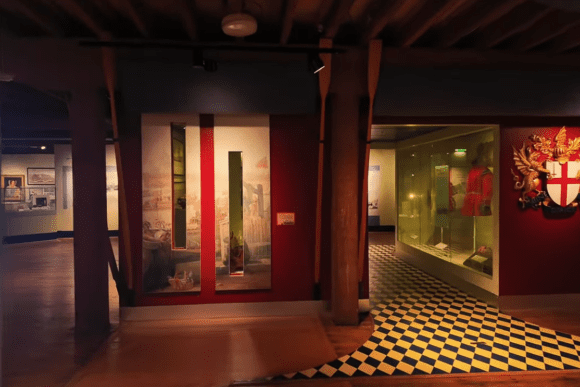
In addition, the original warehouse structure remains visible throughout the galleries
Exploring the Museum of London Docklands
1. London, Sugar and Slavery Gallery
One of the museum’s most significant exhibitions examines London’s involvement in the transatlantic slave trade.
Displays explore how goods produced by enslaved people passed through London’s docks and influenced the city’s development.
Moreover, the gallery presents personal stories alongside historical evidence.
2. Sailortown
Sailortown recreates the streets of a Victorian dockside neighbourhood.
Visitors can walk through atmospheric alleyways and shopfronts inspired by 19th-century riverside London.
Furthermore, the exhibition helps bring dockland communities to life.
3. Port and River Galleries
These galleries trace the development of London’s port from Roman times to the modern era.
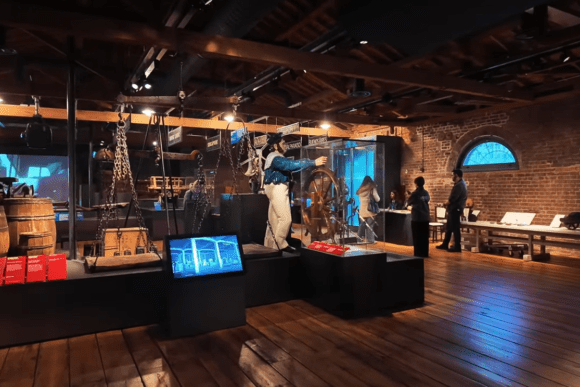
Artefacts, maps, and models explain how trade transformed the city.
In addition, displays show the growth of the world’s busiest port during the 19th century.
4. New Port, New City
The final galleries examine the decline of the docks and the rise of modern Canary Wharf.
Photographs, interviews, and displays explain the dramatic transformation of East London.
Moreover, visitors can compare historic docklands with the skyline visible outside the museum windows.
(Learn more at the official London Museum Docklands website.)
A Museum of Trade, People, and Change
The museum does more than tell the story of ships and cargo.
It also explores the lives of dock workers, merchants, migrants, and local communities.
Because of this approach, visitors gain a deeper understanding of London’s social and economic history.
Visiting the Museum of London Docklands
How to Get There
Location: West India Quay, Canary Wharf, London
DLR: West India Quay Station
Tube: Canary Wharf Station
Bus: Multiple services operate throughout Docklands
Opening Hours & Admission
Open daily
Free admission to permanent galleries
Facilities
Café
Museum shop
Family activity areas
Toilets
Step-free access
Nearby Attractions
Canary Wharf — Modern financial district
Cutty Sark — Historic tea clipper ship
National Maritime Museum — Maritime history collections
Greenwich Park — Historic royal park and observatory views
Together, these attractions form the Thames and Docklands Heritage Trail.
Why Visit the Museum of London Docklands?
The Museum of London Docklands offers:
2,000 years of Thames and port history
Historic warehouse architecture
Important exhibitions on slavery and trade
Free public admission
Whether you enjoy maritime history, social history, or London’s past, the Museum of London Docklands provides one of the most informative museum experiences in the capital.
It’s not just a museum — it’s the story of how a river helped build one of the world’s great cities.
No Reviews