
Forde Abbey — A Historic House with Monastic Origins
Explore a Former Cistercian Abbey with Grand Interiors and Award-Winning Gardens Forde Abbey Estate, Chard, Somerset, TA20 4LU
Call us anytime 01460 221290
https://www.fordeabbey.co.uk/
Open 12:00 pm to 3:30 pm on Tuesday–Friday, Sunday & Bank Holiday Monday during the season
info@fordeabbey.co.uk
Specification
A Grand Estate with Centuries of History
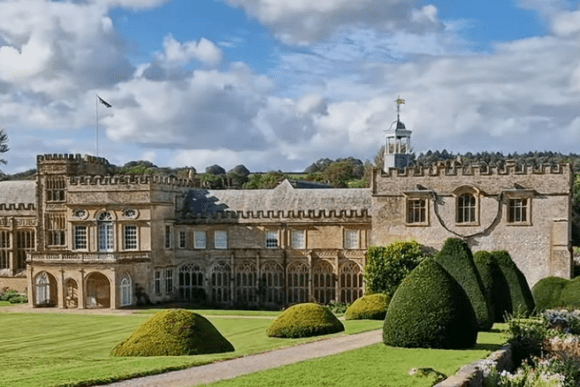
On the Dorset–Somerset border, Forde Abbey combines monastic heritage with stately home elegance.
Founded as a Cistercian monastery in the 12th century, it later became a private residence with richly decorated interiors.
Today, its historic rooms and award-winning gardens make it one of the region’s most impressive heritage sites.
It’s a rare blend of medieval origins and later grandeur.
A Cistercian Monastery for Four Centuries
Forde Abbey began in 1141 as a Cistercian community.
Its monks created farmland, mills, and a thriving religious house.
However, like many abbeys, it was dissolved under Henry VIII in the 1530s.
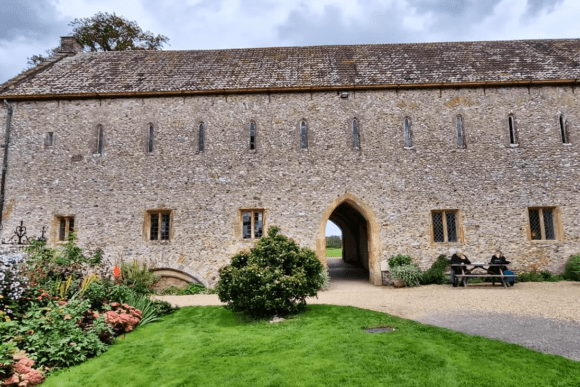
Key features from the monastery survive, including:
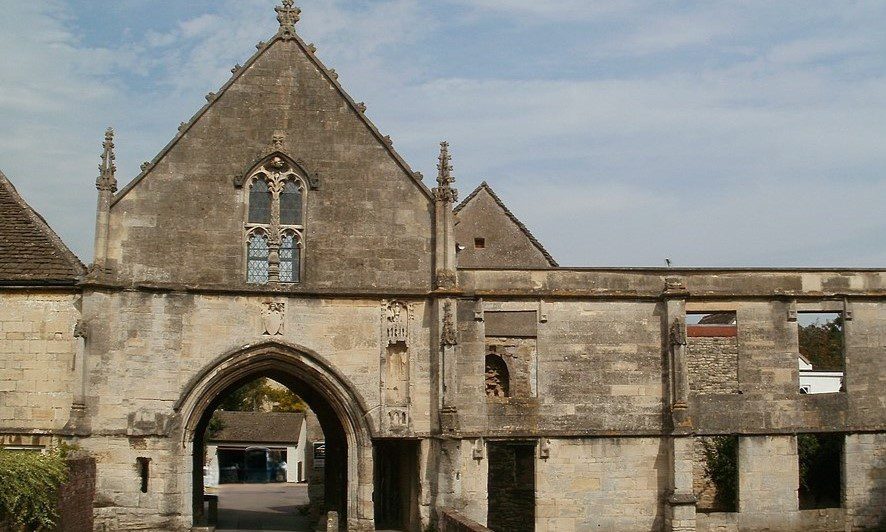
Parts of the cloister
Original stone walls
Medieval cellars
Water features linked to monastic engineering
In addition, the abbey’s layout is still visible in the current house.
From Abbey to Stately Home
After the Dissolution, the estate was converted into a grand residence.
The Prideaux family rebuilt much of the abbey, creating fine state rooms and elegant Baroque details.
Therefore, the building reflects both medieval structure and 17th-century transformation.
Notable interiors include:
The Great Hall
The Chapel
The Saloon
Ornate plaster ceilings
Large tapestries and furniture collections
Moreover, each room shows evidence of continuous occupation and change.
Exploring Forde Abbey
1. The Historic Rooms
Visitors can walk through a sequence of richly decorated interiors.
The Great Hall contains portraits and carved panelling.
In addition, the chapel retains a calm atmosphere with early decorative features.
2. The Award-Winning Gardens
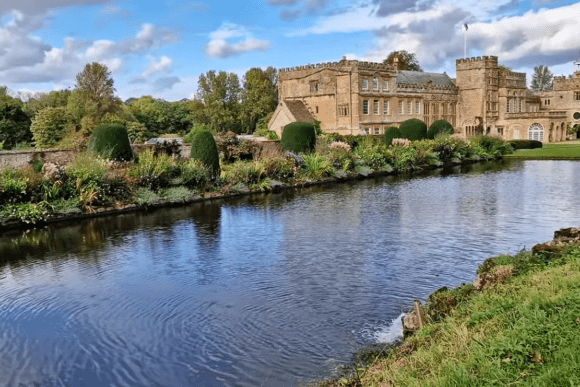
The gardens include formal lawns, lakes, borders, and long avenues.
Seasonal displays make the estate attractive year-round.
Furthermore, the famous centenary fountain rises over 100 feet and is a highlight of any visit.
3. Monastic Waterworks and Grounds
The medieval monks developed an impressive water system.
Their lakes, channels, and ponds still shape the landscape.
Moreover, the walking routes reveal how the abbey once functioned as a self-sufficient community.
(Learn more at the official Forde Abbey website.)
Landscape and Wildlife
The estate supports varied wildlife across lakes, woodland, and grassland.
Ducks, swans, and seasonal birds are common near the water.
Because the grounds are extensive, visitors can enjoy quiet corners and peaceful walks.
In addition, the estate’s trees and avenues frame excellent views of the house.
Walks and Nearby Sites
Forde Abbey lies close to scenic countryside on the Dorset–Somerset border.
Popular walking options include:
Circular routes through nearby farmland
Lakeside paths within the estate
Walks connecting to Thorncombe and the River Axe
Longer trails across the Marshwood Vale
For more Dorset heritage sites, see our guides to Cerne Abbas Giant and Maiden Castle.
Visiting Forde Abbey
How to Get There
Location: Chard, Somerset (near Dorset border)
Parking: Large on-site car park
Train: Crewkerne or Axminster (short taxi ride)
Bus: Limited local services
Opening Hours & Admission
House and gardens open seasonally
Admission charges apply
Facilities
Café and shop
Toilets
Plant sales
Walking routes across the grounds
Nearby Attractions
Montacute House — Elizabethan mansion
Barrington Court — Tudor manor with gardens
Lyme Regis — Jurassic Coast town
Mapperton House — Historic house with valley gardens
Together, these create the Dorset–Somerset Heritage Trail.
Why Visit Forde Abbey?
The Forde Abbey experience offers:
A former Cistercian monastery
Beautiful historic interiors
Award-winning gardens and lakes
Peaceful countryside setting
Whether you enjoy architecture, gardens, or monastic history, Forde Abbey delivers a rich and rewarding day out.
It’s not just an abbey — it’s a historic estate shaped by centuries of change.
No Reviews