
Lulworth Castle — A Striking 17th-Century Dorset Castle
Explore a Dramatic Fire-Damaged Castle Set in a Beautiful Parkland Estate East Lulworth, Wareham, Dorset, BH20 5QS
Call us anytime 01929 400352
https://lulworth.com/
open Sun-Thurs from 10:30 am to 4:00 pm in the standard season.
info@lulworth.com
Specification
A Grand Hunting Lodge Turned Atmospheric Ruin
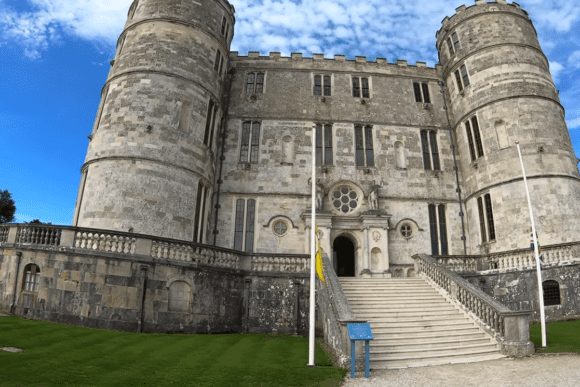
In the rolling parkland of the Lulworth Estate, the dramatic silhouette of Lulworth Castle rises proudly against the sky.
Built in the early 1600s as a hunting lodge, it later became the seat of the Weld family and a centre of aristocratic life.
Today, its restored exterior and haunting fire-damaged interior create one of Dorset’s most memorable historic experiences.
It’s an elegant shell filled with centuries of stories.
A Castle of Style, Leisure, and Later Tragedy
Lulworth Castle was built for Thomas Howard, 3rd Viscount Bindon, in 1610.
Its symmetrical design, corner towers, and grand façade reflected fashionable Renaissance influences.
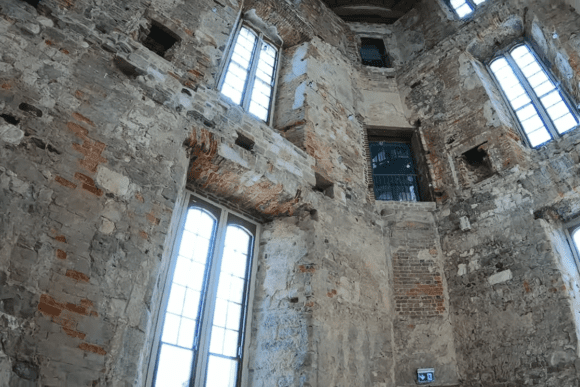
However, in 1929 a devastating fire gutted the interior, leaving the castle ruined for decades.
Therefore, what stands today is a beautifully conserved blend of restoration and honest ruin.
Exploring Lulworth Castle
1. The Striking Exterior
The castle’s four round towers and ashlar stone walls make a commanding first impression.
Walking around the site gives you an excellent sense of its original symmetry and scale.
In addition, the surrounding lawns offer perfect viewpoints for photography.
2. The Restored and Ruined Interior
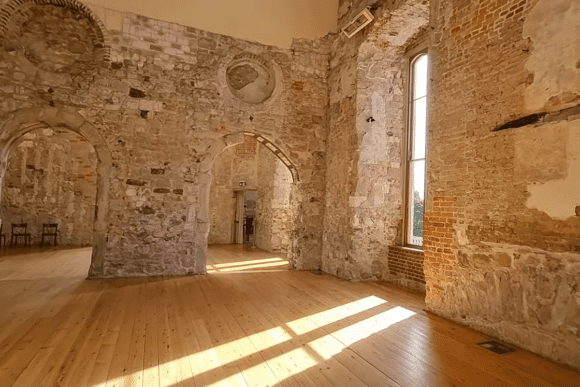
Inside, visitors discover atmospheric rooms open to the roof and sky.
The fire left towering walls, tall windows, and empty floors that create a powerful sense of place.
Moreover, exhibitions explain the castle’s history, the Weld family, and the fire that changed everything.
3. St Andrew’s Chapel and the Parkland
A short walk from the castle stands St Andrew’s Chapel, a beautifully restored building linked to the estate’s Catholic history.
The wider parkland offers sweeping views, gentle paths, and deer grazing among ancient trees.
Furthermore, the estate sits just minutes from the Jurassic Coast and Lulworth Cove.
Learn more at the Lulworth Estate website
A Castle with Coastal Connections
Lulworth Castle lies close to some of Dorset’s most famous landscapes, including Durdle Door, Lulworth Cove, and the rolling chalk hills of the South West Coast Path.
Its location makes it an ideal part of a wider coastal day out.
Additionally, the estate hosts events, weddings, and festivals that bring the castle’s grounds to life.
It’s not just a historic ruin — it’s a vibrant part of Dorset’s cultural and scenic landscape.
Visiting Lulworth Castle
How to Get There
Address: East Lulworth, Wareham, Dorset BH20 5QS
By Car: Parking on site
By Train: Wool Station (closest major station)
By Bus: Seasonal buses run to Lulworth Cove
Opening Hours & Admission
Open seasonally
Entry fee applies
Facilities
Visitor centre and shop
Café
Parkland walks
Toilets on site
Nearby Attractions
Lulworth Cove — Iconic horseshoe-shaped bay
Durdle Door — Famous limestone arch on the Jurassic Coast
Tyneham Village — Abandoned wartime village
Corfe Castle — Dramatic medieval ruins
Together, these create the Dorset Castles & Coast Explorer Trail.
Why Visit Lulworth Castle?
The Lulworth Castle experience offers:
A stunning 17th-century exterior
A dramatic fire-damaged interior
Beautiful parkland and chapel
Easy access to Jurassic Coast landmarks
Whether you enjoy architecture, atmospheric ruins, or scenic countryside, Lulworth Castle delivers a unique Dorset day out.
It’s not just a castle — it’s a grand ruin with unforgettable character.
No Reviews