
Cleeve Abbey: Peaceful Medieval Haven
Explore Cleeve Abbey — one of England’s best-preserved Cistercian monasteries, with stunning medieval architecture and a serene Somerset setting Washford, Watchet, Somerset, TA23 0PS
Call us anytime 0370 333 1181
https://www.english-heritage.org.uk/visit/places/cleeve-abbey/
Open Apr–Oct: Daily 10:00–17:00; Nov–Mar: Weekends 10:00–16:00
customers@english-heritage.org.uk
Specification
Outdoor PicnicStep Back Into the Tranquillity of the Middle Ages
Hidden in a quiet valley near Washford in Somerset, Cleeve Abbey is one of the most complete and atmospheric Cistercian monasteries in England. Founded in 1198, it once housed a community of monks devoted to prayer, silence, and manual labour.
Today, the abbey’s graceful ruins and surviving medieval buildings invite visitors to step into a world of faith and simplicity — a peaceful contrast to modern life.
A Monastic Jewel of Somerset
Cleeve Abbey was founded by William de Roumare, Earl of Lincoln, as a daughter house of Revesby Abbey in Lincolnshire. The monks who settled here followed the strict Cistercian rule, focusing on prayer, study, and agricultural labour.
Unlike many abbeys that were heavily fortified or extravagant, Cleeve reflected Cistercian ideals of modesty and craftsmanship — with fine stonework, elegant arches, and a setting designed for contemplation.
When Henry VIII dissolved the monasteries in 1536, Cleeve was spared total destruction, leaving behind remarkable medieval remains that still stand today.
What to See at Cleeve Abbey
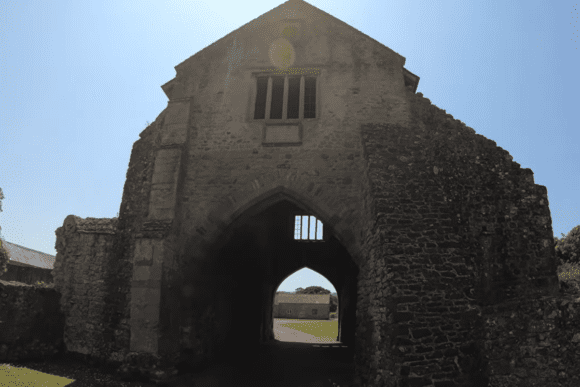
1. The Gatehouse
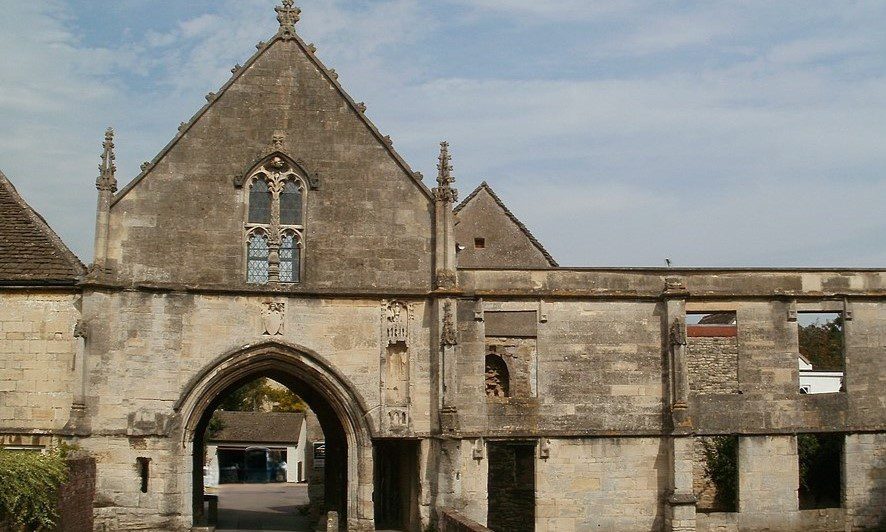
Enter through the impressive 15th-century gatehouse, complete with the arms of Abbot Dovell. Its surviving upper rooms once served as guest lodgings and administrative offices.
2. The Cloister & Chapter House
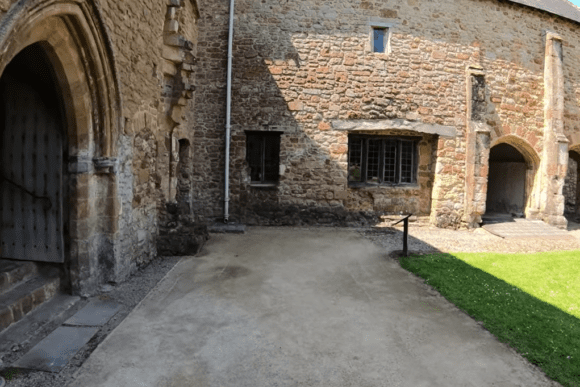
Walk through the cloister garth, surrounded by arched walkways that once echoed with the quiet steps of monks. The Chapter House, with its carved stone seats and central pillar, was the abbey’s spiritual and administrative heart.
3. The Refectory
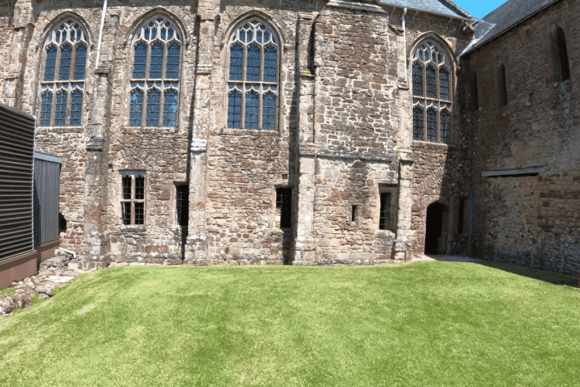
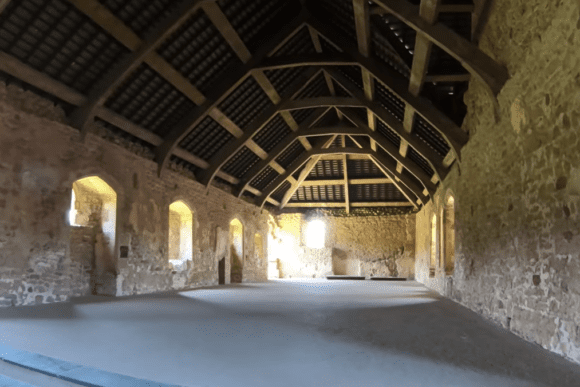
One of the abbey’s highlights is the refectory, or dining hall. Its magnificent 13th-century timber roof — one of the finest of its kind — soars above an open space where monks gathered for silent meals.
4. The Painted Chamber
Don’t miss the Painted Chamber, a rare survival of medieval wall painting. The murals depict biblical scenes and moral lessons, vividly coloured and remarkably well-preserved for their age.
Daily Life at Cleeve Abbey
The monks of Cleeve lived simple, structured lives governed by the Rule of St Benedict. Their days began before dawn with prayer, followed by study, labour in the abbey’s lands, and communal worship.
The abbey produced wool, tended sheep, and managed farms that supported both the monks and the surrounding community — a centre of faith and economic stability in medieval Somerset.
Visitor Information
Address: Cleeve Abbey, Washford, Watchet, Somerset, TA23 0PS
By train: Washford Station (5-minute walk) on the West Somerset Railway.
By car: Follow signs from the A39; free parking available near the site.
By bus: Services from Watchet, Williton, and Minehead stop nearby.
Opening Hours:
Open daily from spring to autumn; check seasonal times before visiting. Managed by English Heritage.
Learn more at the English Heritage official website
Nearby Attractions
West Somerset Railway: Heritage steam train journeys through the countryside.
Watchet Harbour Museum: Learn about the area’s maritime past.
Dunster Castle: A medieval fortress with romantic gardens.
Exmoor National Park: Ideal for scenic walks and wildlife spotting.
Combine these for a full Somerset heritage itinerary.
Why Visit Cleeve Abbey?
Few sites capture the spiritual and architectural beauty of medieval monastic life like Cleeve Abbey. Its peaceful setting, intricate craftsmanship, and rare preserved details make it a true gem of English heritage.
Wander the cloisters, admire centuries-old murals, and experience the calm that once defined a monk’s life in Somerset’s green valleys.
No Reviews