
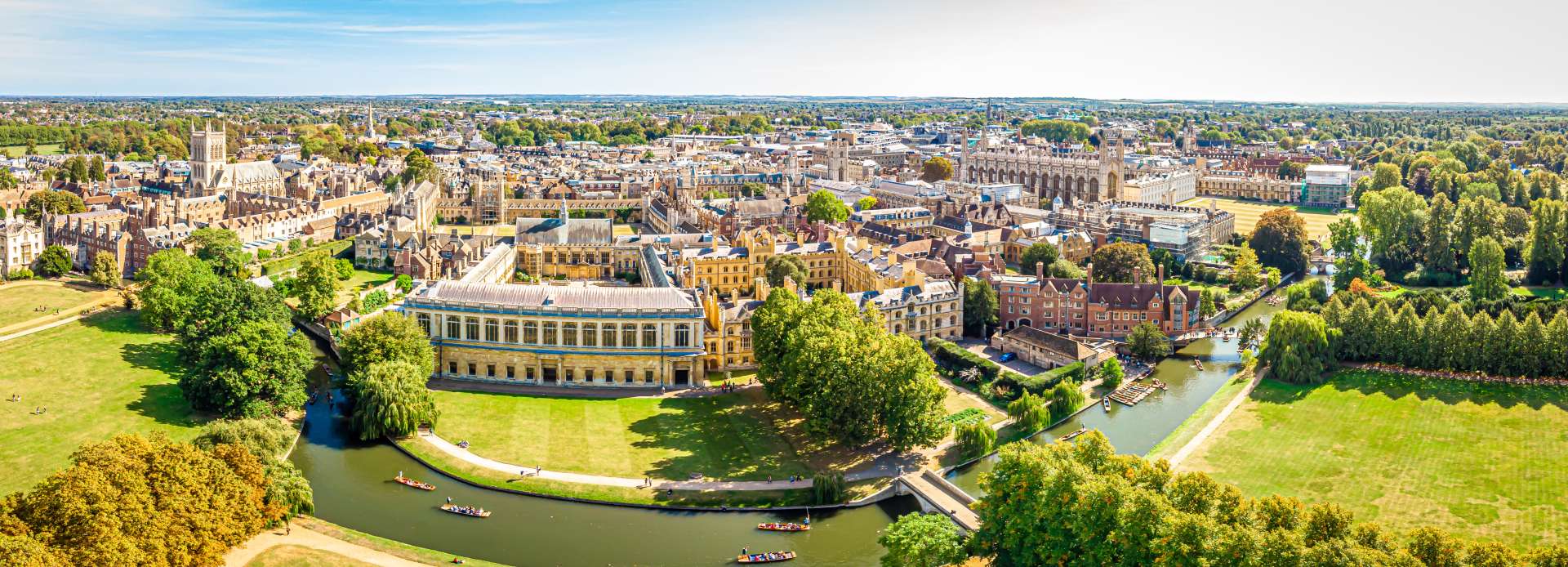
Discover Berwick-upon-Tweed Castle and Ramparts
Berwick-upon-Tweed Castle and Ramparts: A Border Fortress Castle Terrace, Berwick-upon-Tweed, Northumberland, TD15 1DF
Call us anytime +443703331181
https://www.english-heritage.org.uk/visit/places/berwick-upon-tweed-castle-and-ramparts/
Open daylight hours.
Specification
A Fortress Between Two Kingdoms
Perched on England’s northern edge, Berwick-upon-Tweed Castle and Ramparts tell a story of power, conflict, and survival. For centuries, this coastal town was fiercely contested between England and Scotland, changing hands no fewer than 13 times.
Today, the remains of the medieval castle and the impressive Elizabethan ramparts overlook the River Tweed and the North Sea, offering visitors breathtaking views and a walk through nearly 1,000 years of border history.
The History of Berwick-upon-Tweed Castle
The Normans first built a castle here in the 12th century, recognising Berwick’s strategic importance as the northern gateway to England. Over the following centuries, the fortress was repeatedly captured, destroyed, and rebuilt by English and Scottish forces.
By the 13th century, Berwick had become one of the most prosperous towns in medieval Britain — second only to London in trade. However, its wealth also made it a constant target during the Anglo-Scottish Wars.
When King Edward I of England seized Berwick in 1296, he turned the castle into a symbol of English power. Later, during the Elizabethan era, new ramparts and bastions were constructed to defend the town from invasion — these survive remarkably well today.
What to See at Berwick-upon-Tweed Castle and Ramparts
1. The Castle Ruins
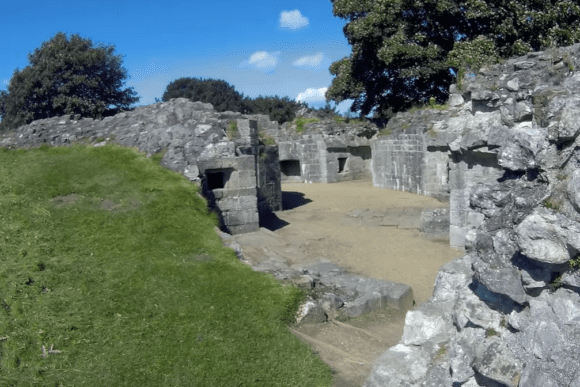
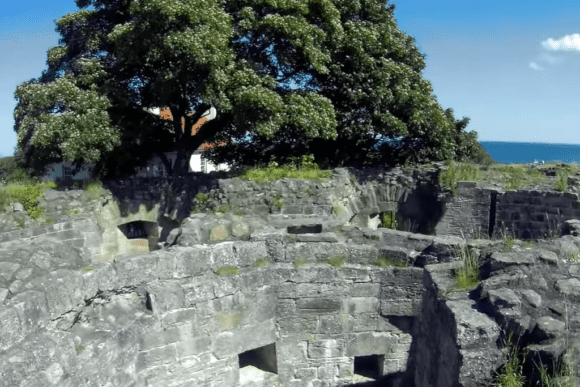
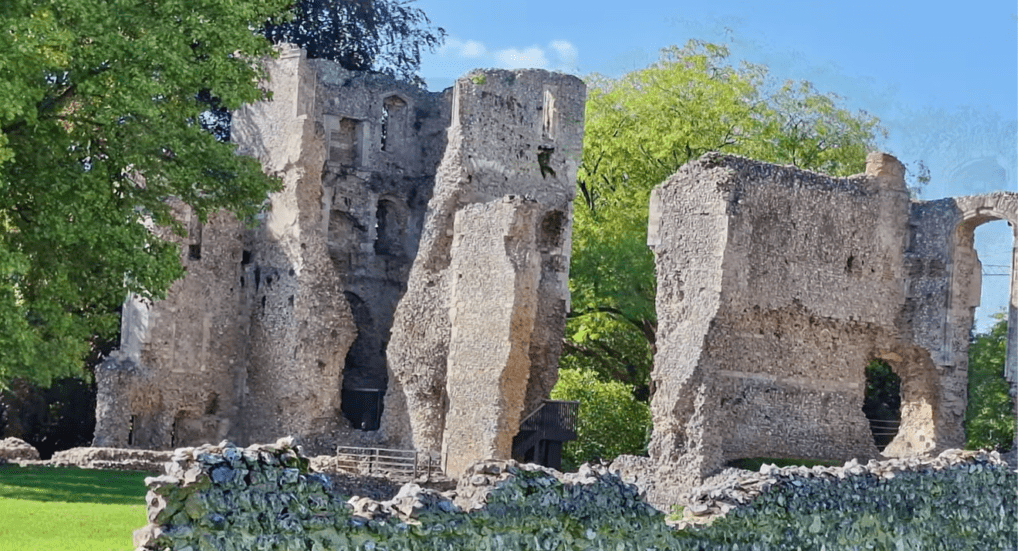
Although much of Berwick Castle was dismantled in the 19th century to make way for the railway station, key features remain. Look for the White Wall, Postern Gate, and fragments of the Great Hall that once hosted royal banquets and councils of war.
2. The Elizabethan Ramparts
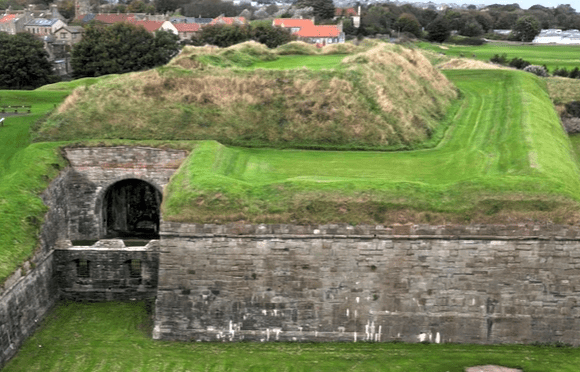
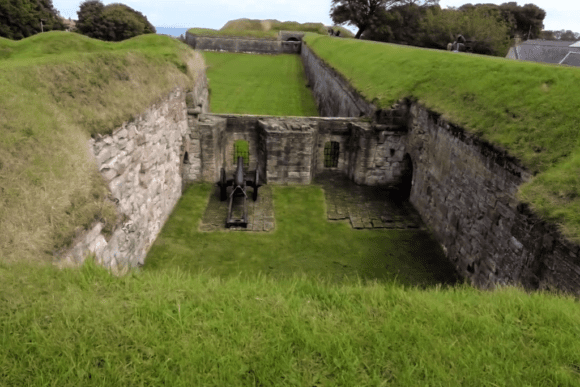
Built in the late 1500s, the ramparts form one of the best-preserved defensive circuits in northern Europe. Walking along the mile-long walls offers sweeping views of the Tweed Estuary, Berwick Bridge, and the Northumberland coast.
Moreover, the ramparts are dotted with bastions and gun emplacements, including King’s Mount, Windmill Bastion, and Cumberland Bastion, all designed to withstand cannon fire.
3. Berwick Barracks and Main Guard
Just a short walk away, the Berwick Barracks, built in the 18th century, provide insight into the town’s later military history. Managed by English Heritage, they house fascinating exhibits about soldiers’ lives and the King’s Own Scottish Borderers Regiment.
A Walk Through History
Strolling along Berwick’s ramparts is more than a scenic walk — it’s a journey through centuries of border conflict and peacekeeping. Each viewpoint tells a story, from medieval sieges to Georgian tranquillity.
Furthermore, interpretive panels along the path explain how the defences evolved over time, helping visitors imagine how this fortified town once braced itself for war.
Visiting Berwick-upon-Tweed Castle and Ramparts
Address: Castle Terrace, Berwick-upon-Tweed, Northumberland, TD15 1DF
By train: Berwick-upon-Tweed Station is adjacent to the castle ruins.
By car: Easily accessible via the A1; parking available in town.
By bus: Regular services from Newcastle, Alnwick, and Edinburgh.
Opening Hours:
Open daily, year-round. Free entry to the castle ruins and ramparts. Managed by English Heritage.
Learn more at the English Heritage official website
Nearby Attractions
Berwick Barracks and Main Guard – 18th-century military buildings with fascinating exhibits.
The Lowry Trail – Follows in the footsteps of artist L.S. Lowry, who painted Berwick’s seascapes.
Holy Island of Lindisfarne – A short drive away, famous for its medieval priory.
Bamburgh Castle – A coastal fortress with royal connections and sea views.
Combine these for a Northumberland heritage day trip.
Why Visit Berwick-upon-Tweed Castle and Ramparts?
Few places illustrate the drama of the Anglo-Scottish borderlands as vividly as Berwick. Its castle and ramparts capture centuries of conflict, resilience, and architectural brilliance — all within a breathtaking seaside setting.
Walk the ancient walls, explore the castle ruins, and uncover the stories that shaped the boundary between two nations.
No Reviews